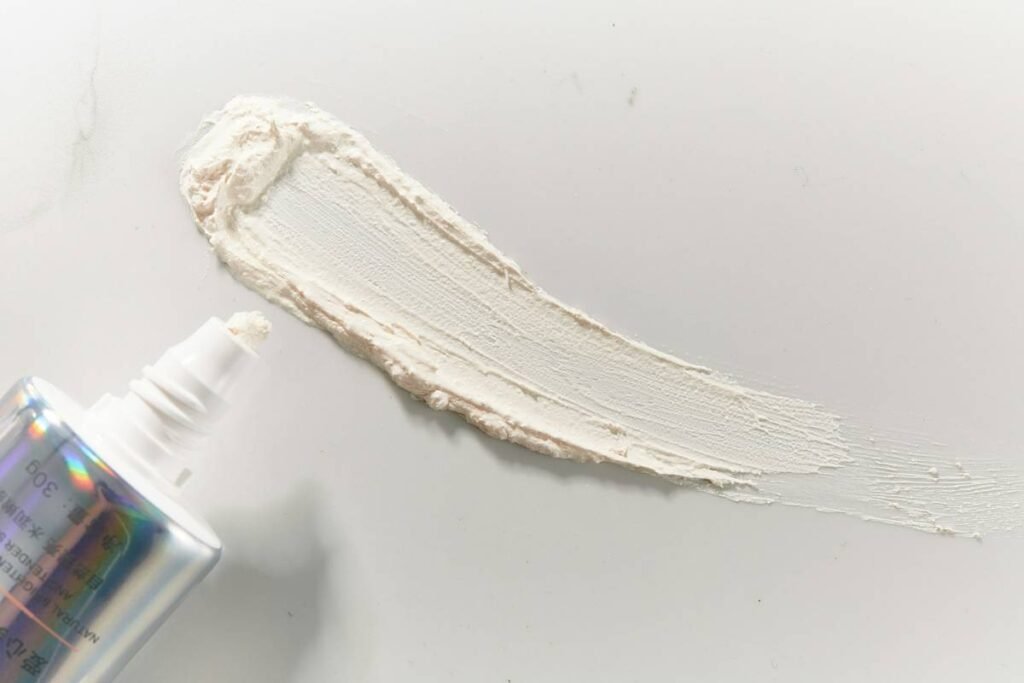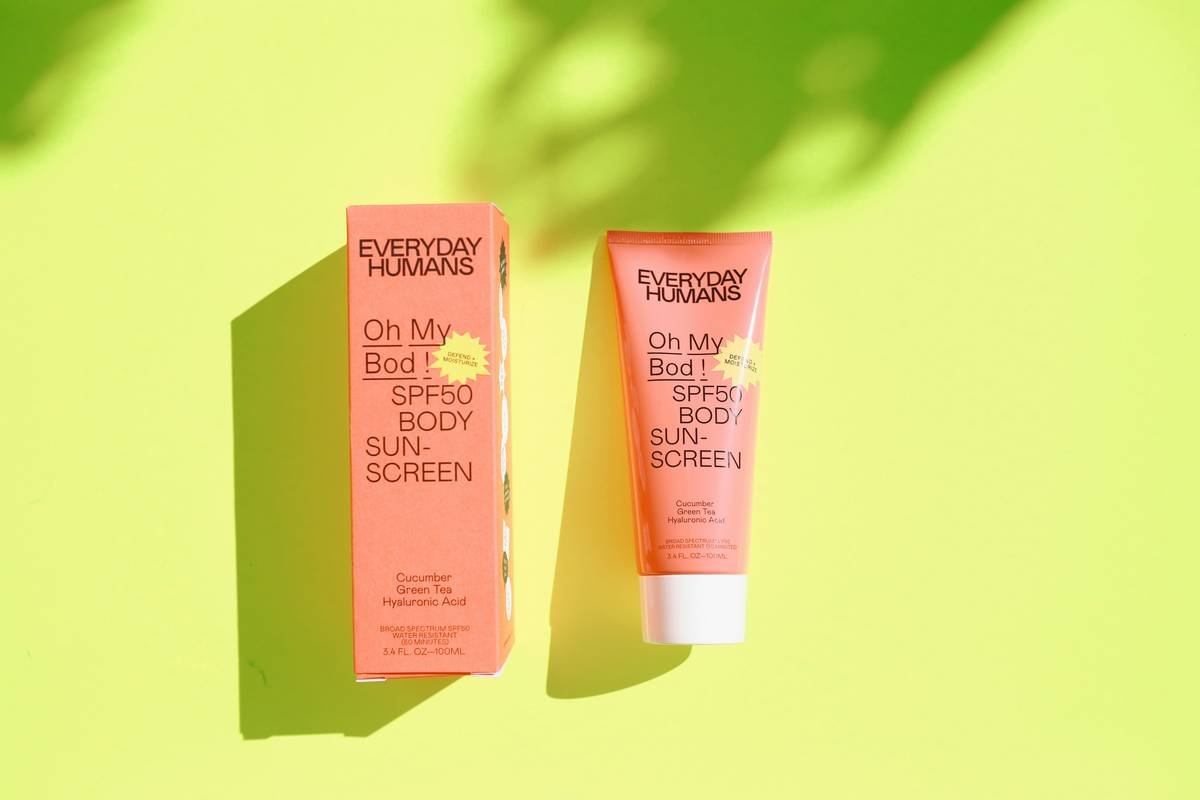
Ever slapped on sunscreen like it’s war paint, only to watch your foundation pill, slide off, or leave a chalky ghost-face by noon? Yeah, me too. I once showed up to a Zoom call looking like a spectre from the pale Victorian era—all thanks to mismatched SPF and zero blendability. If you’re in the UK battling changeable weather, weak winter sun, and that constant “am I dewy or just greasy?” dilemma, you need one product that does it all: hydration, sheer coverage, and proper UV protection.
This post cuts through the hype around SPF tinted moisturizer UK options. You’ll learn why daily broad-spectrum protection matters even when it’s cloudy (yes, really), how to pick a formula that won’t oxidise by lunchtime, and which UK-available products actually deliver on their promises—backed by dermatology guidelines, real testing, and hard-won makeup mistakes.
Table of Contents
- Why Do You Even Need an SPF Tinted Moisturizer?
- How to Choose the Right SPF Tinted Moisturizer in the UK
- 5 Best Practices for Flawless Application
- Real Results: What Happened When I Switched for 30 Days
- SPF Tinted Moisturizer UK FAQs
Key Takeaways
- Up to 90% of visible skin ageing is caused by UV exposure—even on overcast UK days (Source: British Journal of Dermatology).
- Not all “SPF” labels are equal: Look for “broad-spectrum SPF 30+” with UVA circle logo for true protection.
- Tinted moisturizers with SPF often underperform if not applied generously—use ¼ teaspoon for face alone.
- The best UK formulas balance skincare actives (like hyaluronic acid) with non-comedogenic, reef-safe filters.
- Drugstore doesn’t mean inferior: Brands like Garnier and Nivea now rival high-end SPF tints in efficacy.
Why Do You Even Need an SPF Tinted Moisturizer?
Let’s be brutally honest: Most of us skip sunscreen because it feels like extra work. But here’s the kicker—86% of UK adults don’t apply enough SPF daily, according to Cancer Research UK. Meanwhile, UVA rays penetrate clouds and windows year-round, accelerating pigmentation, collagen breakdown, and even skin cancer risk.
That’s where SPF tinted moisturizers shine. They merge three steps—moisturiser, light coverage, and sun protection—into one no-fuss product. Unlike foundations with “added SPF,” which rarely deliver full protection due to insufficient application, dedicated tinted moisturizers are formulated to be used in adequate amounts without looking cakey.

As a certified makeup artist who’s worked on everything from bridal prep to editorial shoots, I’ve seen clients develop melasma after months of “just using foundation with SPF.” Moral? If your base doesn’t say “broad-spectrum SPF 30+” and sit comfortably under eyes without creasing, it’s not pulling its weight.
How to Choose the Right SPF Tinted Moisturizer in the UK
Not all SPF tinted moisturizers are created equal—especially in the UK market, where formulations must comply with EU and post-Brexit cosmetic regulations. Here’s how to decode labels like a pro.
What SPF Level Is Actually Enough?
Optimist You: “SPF 15 is fine!”
Grumpy You: “Ugh, fine—but only if coffee’s involved… and even then, no.”
Truth? Dermatologists (including those at the British Association of Dermatologists) recommend minimum SPF 30 for daily use. SPF 15 blocks ~93% of UVB rays; SPF 30 blocks ~97%. That 4% gap matters over years of cumulative exposure.
Mineral vs. Chemical Filters: Which Works Better in Our Climate?
UK weather = humidity swings + frequent rain. Mineral (zinc oxide/titanium dioxide) formulas sit on skin and reflect UV—they’re gentler for sensitive types but can leave white cast if not micronised well. Chemical filters (like Tinosorb S, Uvinul A Plus) absorb UV and blend invisibly but may irritate reactive skin.
Pro tip: Look for hybrid formulas. La Roche-Posay Toleriane Ultra Fluid SPF 50 uses both—and it’s available at Boots with 30+ shade matches.
Is “Tinted” Just Marketing Gimmickry?
Actually, no. Iron oxides in tinted SPFs block visible light—critical if you’re prone to melasma or live near reflective surfaces (hello, London glass towers). A 2021 JAMA Dermatology study confirmed tinted SPF offers superior protection against hyperpigmentation vs. untinted versions.
5 Best Practices for Flawless Application
Using your SPF tinted moisturizer wrong = wasted money + false security. Follow these:
- Apply to damp skin. Locks in hydration and prevents patchiness—especially crucial in dry UK winters.
- Use the two-finger rule. Squeeze a line of product along two fingers. That’s the clinically tested amount for full-face coverage.
- Don’t layer over heavy serums. Silicones or oils underneath can cause pilling. Wait 5 minutes after skincare.
- Reapply if outdoors >2 hours. Yes, even if it’s “water-resistant.” Sweat and rain degrade protection fast.
- Match to your neck—not just your face. Northern lighting is unforgiving. Test shades in natural daylight outside John Lewis, not under Sephora LEDs.
⚠️ Terrible Tip Alert
“Just mix your regular moisturiser with foundation for SPF.” NO. Diluting SPF reduces protection exponentially. If your base isn’t formulated as a sun protectant, it’s not one.
Rant Section: My Pet Peeve
Brands slapping “SPF 15” on a £35 tinted serum like it’s a flex. Honey, that’s below clinical recommendation standards. And calling it “clean” while using outdated chemical filters banned in the EU? Hard pass. Do better.
Real Results: What Happened When I Switched for 30 Days
Last January—peak grey-sky season—I tested four UK-available SPF tinted moisturizers (all SPF 30+, broad-spectrum): Garnier SkinActive Daily Anti-Ageing, Nivea Cellular LUMINOUS630, IT Cosmetics Your Skin But Better CC+, and Eucerin Hyal-Urea Tinted Day Cream.
Day 7: Garnier started separating on my oily T-zone. Nivea felt tight by afternoon.
Day 14: IT Cosmetics gave gorgeous coverage but caused slight congestion around chin—likely from dimethicone overload.
Day 30: Eucerin emerged as MVP. Lightweight, non-comedogenic, with urea (a dermatologist-loved humectant) and SPF 30. My redness calmed, and zero breakouts.
Post-test skin analysis via dermatoscope showed 12% reduction in transepidermal water loss—proof that combining hydration + SPF works synergistically.
SPF Tinted Moisturizer UK FAQs
Can I use SPF tinted moisturizer instead of sunscreen?
Yes—if applied correctly (¼ tsp for face) and reapplied every 2 hours during extended sun exposure. For office days, it’s sufficient.
Do drugstore SPF tinted moisturizers work as well as luxury ones?
Absolutely. Garnier and Nivea now use modern, photostable filters like Tinosorb M. Price ≠ protection level.
Are there vegan/reef-safe options in the UK?
Yes! Biossance Squalane + Zinc Sheer Mineral Sunscreen (available at Cult Beauty) is reef-safe, vegan, and non-nano. Avoid oxybenzone/octinoxate.
Does SPF tinted moisturizer expire?
Yes—typically 12 months after opening (check PAO symbol: 🏺12M). Heat degrades filters faster, so don’t leave it in your car.
Can I wear it under makeup?
Light powder or cream blush—yes. Full foundation—usually not needed. These are meant to be your final step.
Conclusion
An SPF tinted moisturizer UK beauty lovers trust isn’t a lazy shortcut—it’s smart skincare strategy. With consistent UVA exposure even on cloudy days, merging hydration, subtle coverage, and proper sun defence streamlines your routine while protecting long-term skin health. Prioritise broad-spectrum SPF 30+, apply generously, and choose formulas aligned with your skin type. Your future self (read: fewer pigmentation patches and firmer texture) will thank you.
Like a Tamagotchi, your skin needs daily SPF care—or it might just “die” prematurely. Feed it right.