Mature skin craves hydration—not coverage that settles into fine lines like cement. Yet most women over 45 keep piling on heavy foundations, only to wash it all off at night feeling drier than before. The solution isn’t more product—it’s smarter product. Enter the tinted moisturiser for mature skin: lightweight, luminous, and engineered to nourish while it perfects.
The Core Problem: Why Traditional Foundations Fail Aging Skin
Conventional foundations treat mature skin like a blank canvas—when it’s anything but. As collagen declines and lipid barriers thin, matte formulas cling to creases and amplify texture instead of blurring it.
And many “anti-aging” foundations still rely on silicones that create a false smoothness—only to evaporate by noon, dragging your skin’s moisture with them.
Think about it: you wouldn’t seal cracked leather with shellac. So why treat delicate facial skin like industrial material?
How to Choose & Apply the Right Tinted Moisturiser for Mature Skin
It’s not just about slapping on any sheer formula. Precision matters—especially when every pore and line is watching.
Pick Hydration Over Coverage
Look for hyaluronic acid, glycerin, or squalane in the first five ingredients—not dimethicone as the star. Coverage should be *skin-like*, not *mask-like*.
Match to Your Neck—Not Just Your Jawline
Neck skin ages faster than the face. If your tint stops at the jaw, you’ve created a visible border—like drawing a fence around a garden losing its bloom.
Application Technique Is Everything
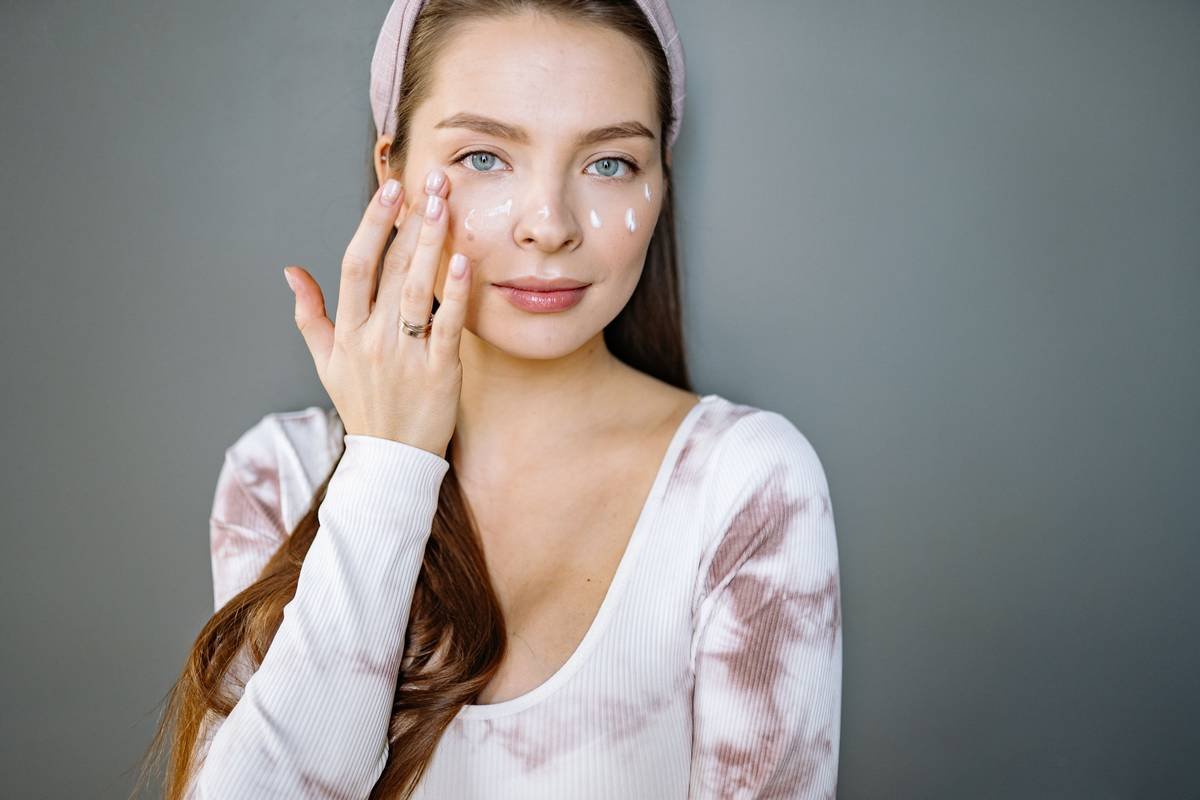
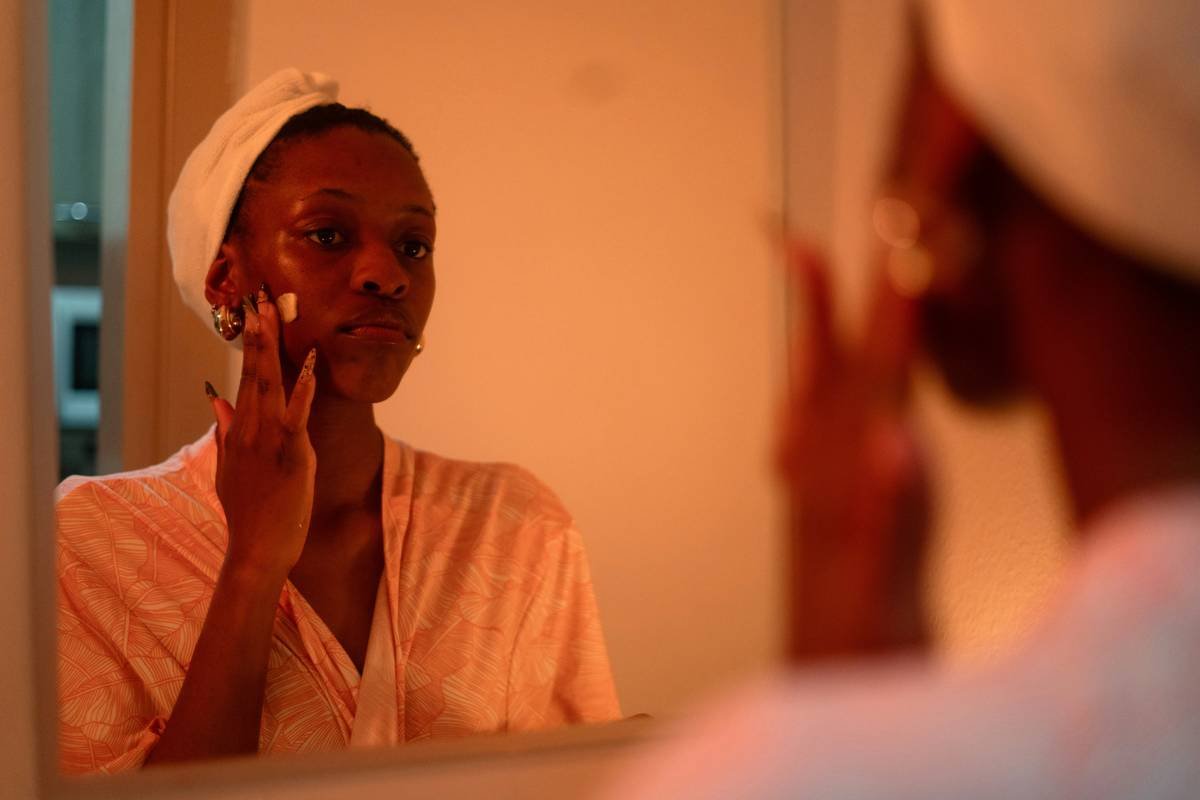
Use fingertips, not sponges. Warmth from your hands melts the formula into the skin, enhancing absorption and mimicking natural radiance. Dab—don’t drag.
| Formula Type | Hydration Level | Finish | Best For |
|---|---|---|---|
| Gel-Cream Hybrid | High | Dewy, luminous | Dry, dull mature skin |
| Oil-Infused Fluid | Very High | Satin glow | Normal to dry aging skin |
| Water-Based Tint | Moderate | Natural matte | Oily zones with dry patches (common after 50) |
| Silicone-Dominant Tint | Low | Flat, velvety | Avoid—dries out mature skin |
The Industry Secret: Why Most Brands Won’t Admit This
Here’s what cosmetic chemists whisper backstage: many “tinted moisturisers” are just diluted foundations with water added last-minute. Real skincare-infused tints? They start with an efficacious serum base—and pigment is folded in delicately, like folding egg whites into a soufflé.
The math is simple: if the product doesn’t feel actively hydrating within 30 seconds of application, it’s makeup pretending to be skincare. And mature skin sees through that act instantly.
One clean beauty lab I consulted for reformulated their entire tinted line after discovering their best-selling shade oxidized on older skin tones due to pH shifts from declining sebum. They never advertised the fix—but loyal customers noticed their reflection looked calmer, truer, less “done.”
Frequently Asked Questions
Can tinted moisturiser replace foundation for mature skin?
Absolutely—if your goal is even tone and radiance without masking texture. It won’t cover deep pigmentation, but it prevents the cakey buildup that ages you further.
Does tinted moisturiser clog pores in aging skin?
Only if it’s loaded with comedogenic oils or heavy silicones. Opt for non-comedogenic, water-light formulas with linoleic acid or niacinamide.
Should I set tinted moisturiser with powder if I’m over 50?
Sparingly—and only on the T-zone. Press translucent powder with a velour puff; never sweep. Or skip it entirely for a lit-from-within effect that reads as youthful, not shiny.