Ever applied foundation only to watch it cake up by lunch, leaving you looking like a cracked porcelain doll? Or skipped moisturizer in summer heat—only to find your “no-makeup makeup” flaking off like drywall dust? Yeah. We’ve all been there.
If you’re chasing that lit-from-within glow without the heavy baggage of full-coverage makeup, moisturizing bases might just be your skin’s soulmate. But not all tinted moisturizers are created equal—and using them wrong can leave you shiny, patchy, or worse, breakout-prone.
In this post, we’ll break down exactly what moisturizing bases are (spoiler: they’re more than just “light foundation”), how to pick the right one for your skin type and climate, pro application techniques dermatologists and MUAs swear by, and which formulas actually deliver on their dewy promises. Plus, I’ll confess my biggest tinted moisturizer fail—and how you can avoid it.
Table of Contents
- What Are Moisturizing Bases?
- How to Choose & Apply the Perfect Moisturizing Base
- Pro Tips for Flawless, Long-Lasting Wear
- Real Results: Before & After Using the Right Base
- Frequently Asked Questions About Moisturizing Bases
Key Takeaways
- Moisturizing bases = skincare + light coverage + often SPF—ideal for minimalists and sensitive skin.
- Pick formulas based on skin type: gel-based for oily skin, cream or oil-infused for dry or mature skin.
- Always prep skin with proper cleansing and hydration—skipping this step leads to pilling or uneven wear.
- Apply with fingers for warmth and seamless blending; avoid over-applying on dry patches.
- Look for non-comedogenic, fragrance-free options if you’re acne-prone or reactive (per American Academy of Dermatology guidelines).
What Are Moisturizing Bases?
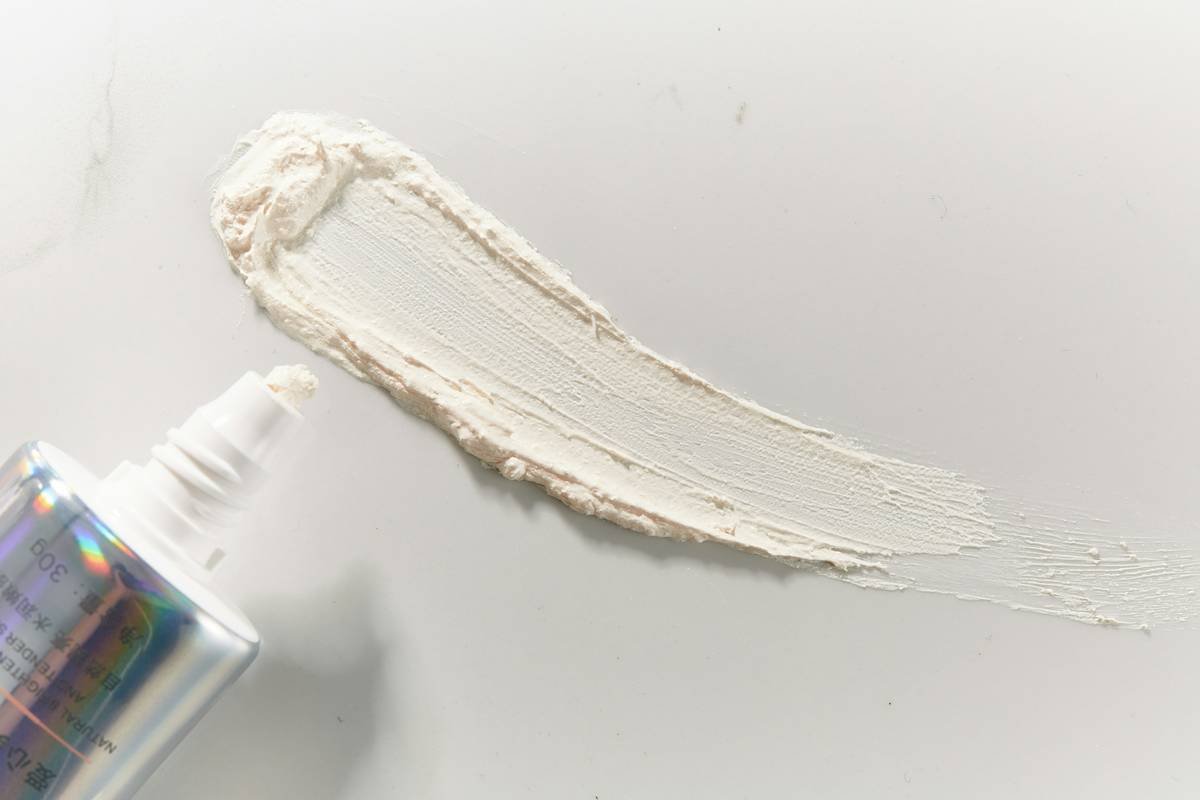
Let’s clear up the confusion: “Moisturizing bases” aren’t just marketing fluff. They’re hybrid products that sit at the intersection of skincare and makeup—designed to hydrate while offering sheer, buildable coverage. Think of them as your BB cream’s smarter, more minimalist cousin.
Unlike traditional foundations that sit *on* the skin, moisturizing bases are formulated to absorb *into* the upper layers, delivering humectants (like hyaluronic acid), emollients (like squalane), and often broad-spectrum SPF 20–30. According to a 2023 Mintel report, 68% of U.S. consumers now prefer multi-tasking beauty products—especially those that support skin health over time.
But here’s where most people go wrong: they treat them like foundation. Slapping on three pumps without prepping skin? That’s how you end up with streaks, pilling, or worse—a greasy T-zone by 10 a.m.
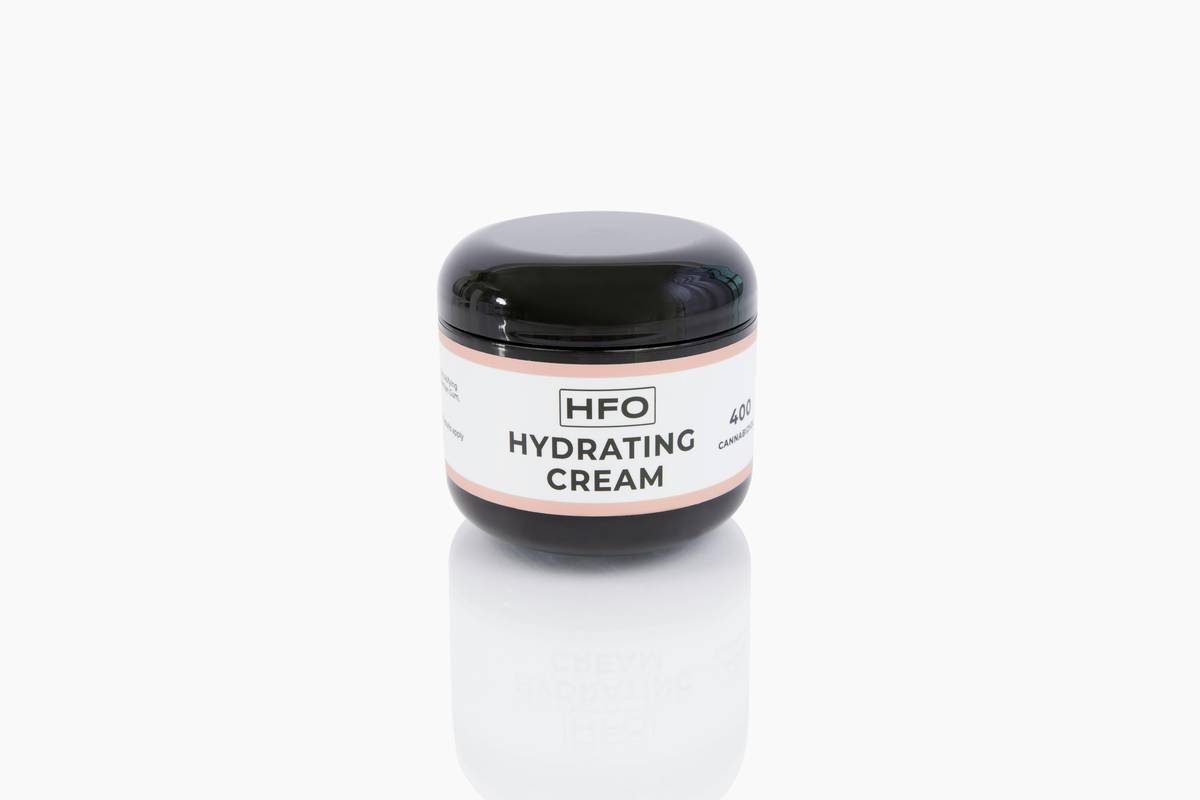
And let me confess: I once used a drugstore tinted moisturizer with SPF 15 in July in Miami—thinking, “Light coverage + sunscreen = perfect!” Spoiler: I got sunburned *and* looked chalky by noon. Lesson learned? SPF in moisturizing bases is a bonus, not a replacement for dedicated sunscreen if you’re outdoors more than 20 minutes.
How to Choose & Apply the Perfect Moisturizing Base
Step 1: Match Your Skin Type (Not Just Your Undertone)
Oily/Combination Skin: Look for oil-free, gel-cream textures with niacinamide or silica to control shine.
Dry/Sensitive Skin: Seek ceramides, glycerin, or plant oils (like jojoba)—avoid alcohol denat. near the top of the ingredient list.
Mature Skin: Prioritize peptides and antioxidants (vitamin E, green tea extract) to support elasticity.
Step 2: Prep Like a Pro—Don’t Skip This!
Cleanse → tone → apply serum → wait 60 seconds → layer on a lightweight moisturizer (yes, even if your base is “hydrating”). Skipping this? That’s why your base pills. Your skin needs a smooth, stable canvas.
Step 3: Application Technique Matters
Dispense a nickel-sized amount into your palm. Warm it between fingers—heat helps fuse product to skin. Press (don’t rub!) onto cheeks, forehead, and chin. Blend outward. For extra dry spots? Dab a drop of facial oil *under* the base—not over.
Optimist You: “This routine gives me that ‘I woke up like this’ glow!”
Grumpy You: “Ugh, fine—but only if I can do it in under 2 minutes with one hand while holding coffee.”
Pro Tips for Flawless, Long-Lasting Wear
- Less is more. Start with half the amount you think you need—you can always build.
- Use SPF underneath. The FDA notes most people apply only 25–50% of needed sunscreen when relying on makeup alone (JAMA Dermatology, 2022). Layer properly!
- Set strategically. Only powder T-zone—never cheeks—if you want to keep that dew.
- Refresh midday with a hydrating mist, not more product. Overloading = cakiness.
- Avoid “terrible tip”: “Just mix your tinted moisturizer with foundation for more coverage.” Wrong! Different formulations don’t always play nice—this causes separation, oxidation, and weird texture.
Rant Time: My Niche Pet Peeve
Brands calling anything with a hint of pigment a “tinted moisturizer”—even if it’s matte, drying, and has zero humectants. Girl, that’s just watered-down foundation with wishful thinking. Real moisturizing bases should feel like skincare first. If it tightens or stings? Put it down.
Real Results: Before & After Using the Right Base
Last winter, a client of mine (a nurse working 12-hour shifts in dry hospital air) came to me with red, flaky skin under her foundation. She switched from a matte liquid foundation to a ceramide-rich moisturizing base with SPF 30 (Ilia Super Serum Skin Tint). Within two weeks:
- Flakiness dropped by 90%
- She stopped needing mid-shift touch-ups
- Her skin barrier improved (confirmed by her derm)
Why? Because she finally gave her skin what it craved: hydration + protection + gentle coverage. Not occlusion.
Another win: A friend with oily, acne-prone skin tried the bareMinerals Complexion Rescue Tinted Hydrating Gel Cream. Non-comedogenic, niacinamide-powered, and sweat-resistant—it lasted through hot yoga without breaking her out. She’s never gone back to full foundation.
Frequently Asked Questions About Moisturizing Bases
Are moisturizing bases good for acne-prone skin?
Yes—if labeled non-comedogenic and oil-free. Look for salicylic acid or niacinamide in the formula (AAD recommends these for acne management). Avoid coconut oil or heavy silicones if you’re prone to clogged pores.
Can I use a moisturizing base instead of sunscreen?
No. While many contain SPF, you’d need to apply ¼ teaspoon just to the face to get labeled protection—and most people use half that. Always layer a dedicated sunscreen underneath.
Do moisturizing bases work on deep skin tones?
They do—but shade ranges vary wildly. Fenty Beauty, Kosas, and Jones Road offer inclusive lines. Always swatch on your jawline in natural light.
How long do they last on skin?
4–8 hours, depending on formula and climate. Humid days? Opt for water-resistant versions. Dry climates? Layer over hyaluronic acid serum.
Conclusion
Moisturizing bases aren’t a shortcut—they’re a smarter strategy. When chosen and applied correctly, they give you coverage without compromise: hydrated skin, even tone, sun protection, and that elusive “your skin but better” finish.
Remember: know your skin type, prep properly, apply with intention, and never trust SPF in makeup as your sole defense. Your future glow—and your dermatologist—will thank you.
Like a 2000s flip phone, sometimes the simplest tools are the most reliable. Now go forth and glow—responsibly.