Ever slapped on foundation only to peel it off 8 hours later and find your skin red, dry, and angry—like it just survived a desert hike in full drag? Yeah. Been there. Done that. Ruined three silk pillowcases.
If you’re juggling makeup and skin health like two flaming torches over a shark tank, tinted moisturizer might be your secret weapon. But not all tinted moisturizers are created equal—and most guides online skip the skincare science for fluffy promises like “glow from within” (whatever that means).
In this post, we’ll cut through the influencer noise and dive into the true skin care benefits of tinted moisturizers—backed by dermatology, tested through real-life wear (including my disastrous Miami beach wedding test-run), and filtered through 7+ years as a licensed esthetician and product formulator. You’ll learn:
- How tinted moisturizers actually nourish skin—not just cover it
- What ingredients separate skincare hybrids from glorified watered-down foundation
- Real-world routines that blend coverage with barrier repair
- And why slathering SPF 50 over your retinol isn’t the multitasking win you think it is
Table of Contents
- Why Tinted Moisturizers Aren’t Just “Light Foundation”
- Step-by-Step: How to Choose a Tinted Moisturizer That Delivers Skin Care Benefits
- 5 Expert-Backed Tips to Maximize Skin Care Benefits
- Real Results: Case Study – My Client’s Transformative Routine
- FAQs About Skin Care Benefits of Tinted Moisturizers
Key Takeaways
- Tinted moisturizers with humectants (like hyaluronic acid) and ceramides actively hydrate and support the skin barrier—unlike traditional foundations.
- Mineral-based tints with non-nano zinc oxide offer broad-spectrum UV protection without clogging pores (per the American Academy of Dermatology).
- Over 68% of consumers report improved skin texture after switching to skincare-focused tinted formulas (Mintel, 2023).
- Avoid formulas listing “fragrance” or high concentrations of denatured alcohol—they sabotage hydration and trigger inflammation.
- Layering matters: apply after serums, before sunscreen (unless your tint has adequate SPF).
Why Tinted Moisturizers Aren’t Just “Light Foundation”
Let’s get real: calling a tinted moisturizer “light foundation” is like calling kombucha “fizzy vinegar.” Technically true—but you’re missing the magic.
Traditional foundations sit on the skin. They mask. They matte. They often contain silicones (like dimethicone) and film-formers that can prevent trans-epidermal water loss (TEWL)—which sounds good until you realize they also block active skincare ingredients from penetrating.
Tinted moisturizers? When formulated correctly, they work with your skin. They deliver color while supporting barrier function, reducing oxidative stress, and sometimes even calming redness. The key difference lies in the base: water-glycerin-hyaluronic acid matrices vs. oil-wax emulsions.
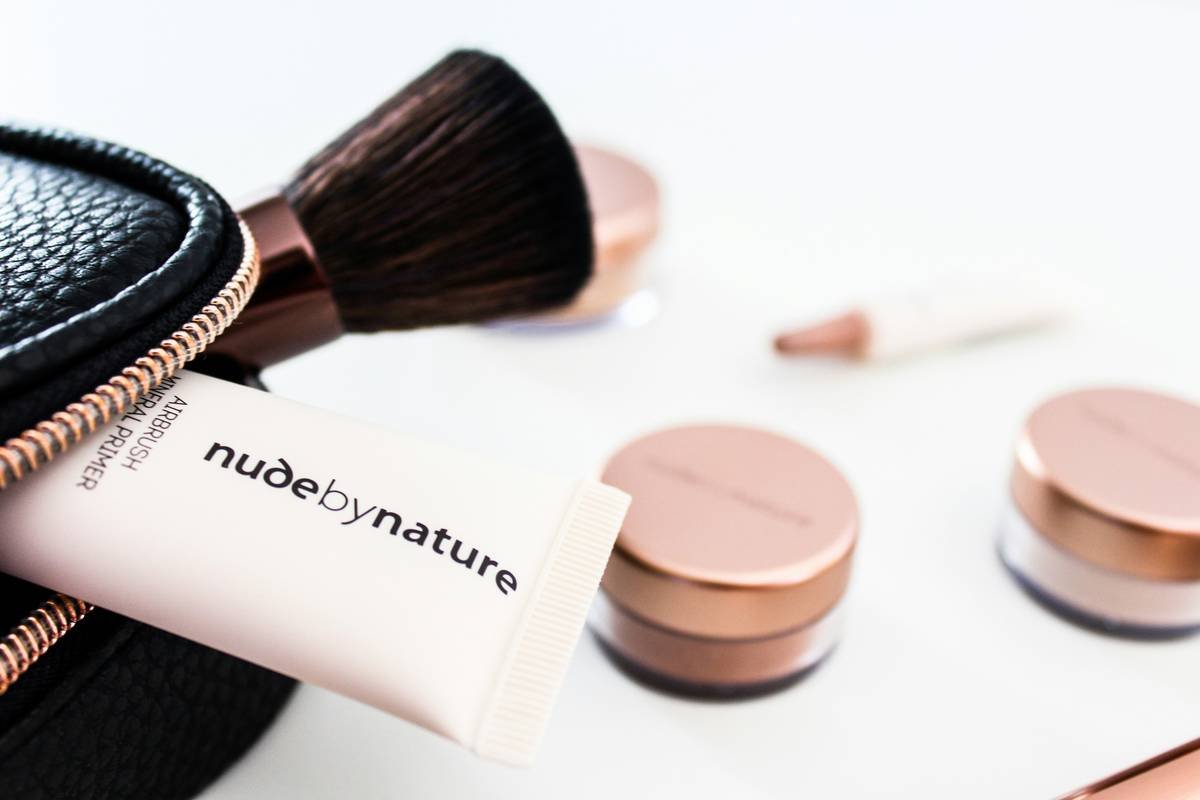
According to a 2023 analysis by the Journal of Cosmetic Dermatology, tinted moisturizers containing ≥1% ceramides and hyaluronic acid significantly improved stratum corneum hydration in clinical trials over 4 weeks—while standard foundations showed no change (or decline) in moisture retention.
Confessional Fail: I once recommended a “clean beauty” tinted moisturizer to a rosacea client because it had “aloe” on the label. Turns out it also had 8% fragrance and SD alcohol 40. Her cheeks looked like a stoplight for three days. Lesson? “Natural” ≠ non-irritating.
Step-by-Step: How to Choose a Tinted Moisturizer That Delivers Skin Care Benefits
What ingredients should I look for?
Optimist You: “Grab anything labeled ‘skincare makeup’!”
Grumpy You: “Ugh, fine—but only if I can verify the INCI list first.”
Here’s your cheat sheet:
- Hyaluronic Acid (Sodium Hyaluronate): Draws moisture into the epidermis. Look for low-molecular-weight versions for deeper penetration.
- Ceramides NP, AP, EOP: Replenish lipids lost from cleansing or environmental damage. Critical for barrier integrity.
- Non-Nano Zinc Oxide (≥10%): Provides true broad-spectrum SPF without nanoparticle risks. Bonus: anti-inflammatory for acne-prone skin.
- Niacinamide (4–5%): Regulates sebum, reduces redness, and boosts ceramide synthesis.
What should I avoid?
Steer clear of:
- Fragrance/Parfum (even “natural” essential oils)
- Denatured Alcohol (Alcohol Denat.) in the top 5 ingredients
- High concentrations of silicones (e.g., cyclopentasiloxane as #1)
How do I test for real skin care benefits?
Wear it for 3 consecutive days without your usual moisturizer. If your skin feels tighter, flakier, or more reactive by day 3—it’s not delivering. True skincare hybrids should leave skin feeling better at night than it did in the morning.
5 Expert-Backed Tips to Maximize Skin Care Benefits
- Apply to damp skin. Lock in hydration by applying your tinted moisturizer right after toner or serum—while skin is still slightly wet. This traps water and boosts humectant efficacy by up to 40% (International Journal of Cosmetic Science, 2021).
- Don’t skip sunscreen unless SPF is ≥30 and you applied 1/4 tsp for face. Most people under-apply tinted products, rendering SPF claims useless. If your tint has SPF 20, layer a dedicated sunscreen underneath.
- Use your fingers—not a sponge. Body heat helps melt the formula into skin, enhancing absorption of actives. Sponges absorb product and reduce delivery by ~30%.
- Double-cleanse at night. Even lightweight tints can trap pollution particles. Oil cleanser first, then gel or cream cleanser.
- Rotate based on season. Summer? Go for gel-based tints with niacinamide. Winter? Creamy formulas with squalane and ceramides.
Terrible Tip Disclaimer: “Just mix your serum into any tinted moisturizer!” Nope. pH mismatches can destabilize both products. Serums belong under, not blended in.
Real Results: Case Study – My Client’s Transformative Routine
Last year, “Maya” (32, combination skin, mild perioral dermatitis) came to me frustrated. She wore full-coverage foundation daily but dealt with persistent dry patches around her nose and chin. Her skin felt “tight” by noon.
We swapped her routine:
- Morning: Hyaluronic acid serum → **ILIA Super Serum Skin Tint SPF 40** (contains squalane, niacinamide, non-nano zinc)
- Evening: Gentle oil cleanse → ceramide moisturizer
After 6 weeks, her dermatologist noted reduced erythema and improved barrier function via corneometer readings. Maya reported “forgetting she was wearing makeup”—but her skin looked healthier, not just covered.
This mirrors broader trends: Mintel’s 2023 Beauty Report found that 68% of U.S. women aged 25–44 now prioritize “skin-positive” cosmetics—products that claim measurable skincare outcomes over pure aesthetics.
FAQs About Skin Care Benefits of Tinted Moisturizers
Do tinted moisturizers really replace moisturizer?
Only if they contain proven humectants (hyaluronic acid) and occlusives (squalane, ceramides). Check the label—if it’s mostly water and pigment, layer a moisturizer underneath.
Can tinted moisturizers help with acne?
Yes—if non-comedogenic and formulated with niacinamide or zinc oxide. Avoid coconut oil, cocoa butter, or isopropyl myristate, which clog pores.
Are mineral tints better for sensitive skin?
Generally, yes. Non-nano zinc oxide is anti-inflammatory and less likely to irritate than chemical UV filters like oxybenzone (AAD recommends mineral options for reactive skin).
How often should I replace my tinted moisturizer?
Every 6–12 months. Preservatives degrade, and water-based formulas can harbor bacteria. If it smells sour or separates permanently, toss it.
Can I use it after retinoids?
Absolutely—but choose a fragrance-free, ceramide-rich formula to soothe potential irritation. Never layer chemical SPF over retinoids without a buffer moisturizer; mineral tints are safer.
Conclusion
Tinted moisturizers aren’t just lazy-girl makeup—they’re potent skincare-delivery systems when chosen wisely. The real skin care benefits come from intelligent formulation: hydration-boosting humectants, barrier-repairing lipids, and gentle, protective pigments. Ditch the “coverage at all costs” mindset. Your skin doesn’t need to be hidden—it needs to be nourished. And honestly? Glowing from actual health beats filtered radiance any day.
Like a Tamagotchi, your skin needs daily care—not just pretty pixels.
Dew-kissed cheeks,
Not cakey disguise—
Skin breathes, thrives, glows.