Ever slapped on foundation only to find your skin looking drier than a week-old croissant by 2 p.m.? Or worse—washed it off at night and saw flaky patches screaming betrayal? You’re not alone. A 2023 survey by Statista revealed that 68% of U.S. consumers now prioritize “skin health benefits” in their makeup—which means hydration isn’t just a skincare dream anymore. It’s non-negotiable.
If you’ve been searching for makeup that doesn’t suffocate your skin while still giving coverage, this post is your lifeline. We’ll cut through the influencer fluff and dive deep into hydrating makeup—specifically tinted moisturizers—that deliver dew, not dullness. You’ll learn how to choose the right formula for your skin type, why most drugstore options fail dry complexions, and which pro tricks guarantee a lit-from-within finish that lasts all day.
Table of Contents
- Key Takeaways
- Why Most Makeup Sucks the Life Out of Your Skin
- How to Pick a Tinted Moisturizer That Hydrates (Not Just Coats)
- 5 Pro Application Tips for Flawless, Non-Cakey Finish
- Real Results: What Happened When I Swapped Foundation for Tinted Moisturizer
- Hydrating Makeup FAQs—Answered Honestly
Key Takeaways
- True hydrating makeup contains humectants (like hyaluronic acid) and emollients (like squalane)—not just water and pigment.
- For dry or mature skin, avoid alcohol-heavy formulas; for oily skin, opt for oil-free but still hydrating bases (yes, they exist).
- Application matters as much as formulation: warm product between fingers before pressing—not swiping—into skin.
- Tinted moisturizers with SPF 30+ are ideal for daily wear but should be reapplied if outdoors longer than 2 hours.
- “Natural finish” ≠ “sheer coverage.” Many modern tinted moisturizers offer buildable medium coverage without drying out.
Why Most Makeup Sucks the Life Out of Your Skin
Let’s get real: traditional foundations were never designed with hydration in mind. Most contain silicones like dimethicone that sit *on* the skin, creating a smooth canvas but blocking moisture from penetrating. And don’t get me started on powder-based compacts—they absorb sebum like emotional support tissues during a break-up.
I learned this the hard way. Two winters ago, I wore a matte-finish foundation daily for a photoshoot series. By Day 5, my cheeks looked like cracked desert earth in 4K close-up. My esthetician gasped: “You’ve stripped your barrier. This isn’t makeup—it’s cement.” Ouch.
The shift toward hydrating makeup reflects a broader industry pivot. According to the 2024 Global Beauty Report by McKinsey, products labeled “skincare-makeup hybrids” grew by 27% year-over-year—outpacing traditional color cosmetics. Consumers aren’t just buying coverage; they’re buying skin confidence.
How to Pick a Tinted Moisturizer That Hydrates (Not Just Coats)
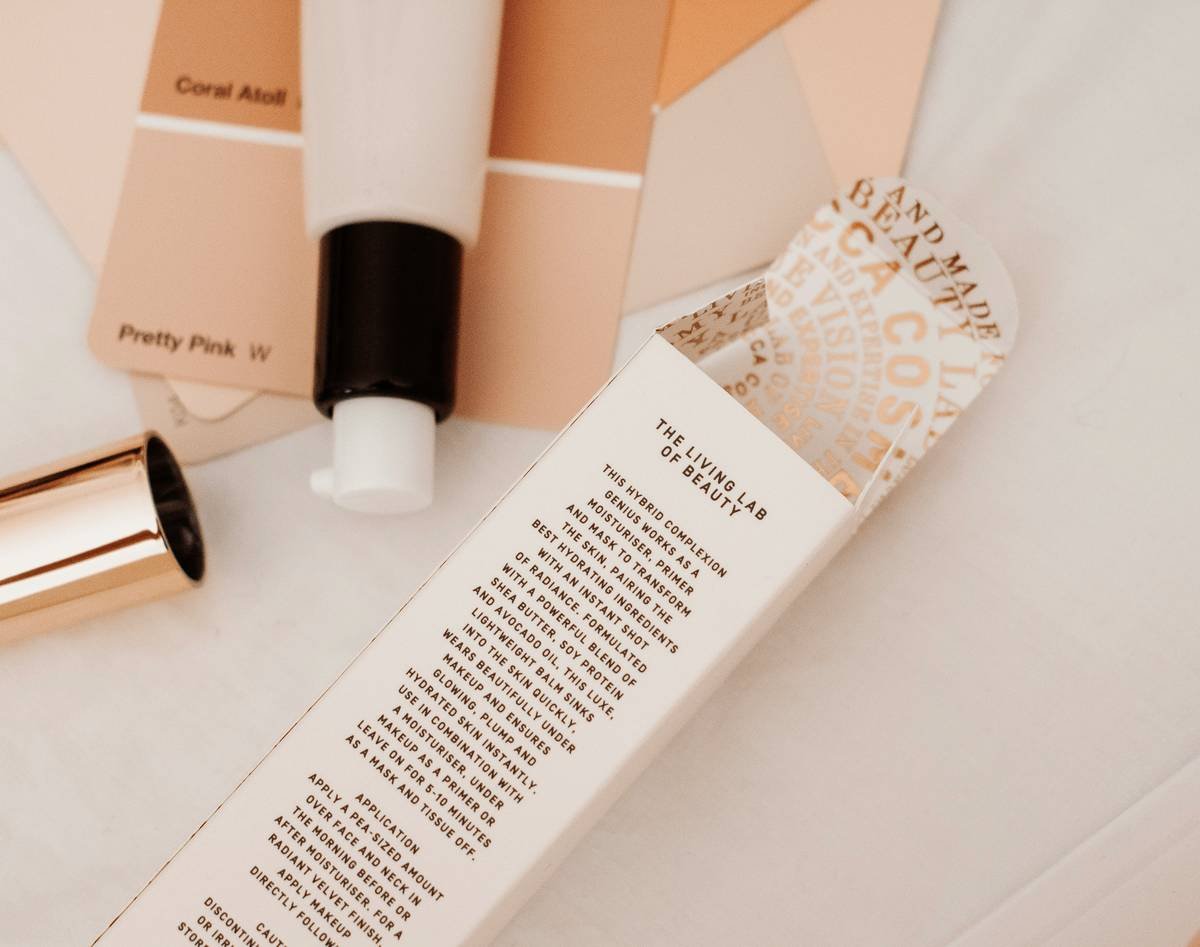
Not all tinted moisturizers are created equal. Some are glorified face lotions with barely-there pigment; others are lightweight foundations masquerading as skincare. Here’s how to spot the real deal:
Do you have dry, oily, or combination skin?
Optimist You: “Know your skin type—it’s the compass!”
Grumpy You: “Ugh, fine—but only if I can skip the mirror test and just check my pillowcase grease stains.”
- Dry/Mature Skin: Look for formulations with hyaluronic acid (draws moisture), squalane (repairs barrier), and ceramides. Avoid anything with denatured alcohol or fragrance.
- Oily/Combination Skin: Choose oil-free but humectant-rich options—glycerin and sodium PCA won’t clog pores but still bind water to skin.
- Sensitive Skin: Stick to mineral-based tints with zinc oxide or titanium dioxide. Bonus: these often include natural sun protection.
Check the ingredient list—top 5 tell all
If water is #1 but dimethicone is #2 and hyaluronic acid is buried at #20? Run. The top five ingredients make up ~80% of the formula. Prioritize products where active hydrators appear early.
SPF or no SPF?
Most dermatologists (including the American Academy of Dermatology) recommend daily broad-spectrum SPF 30+. But caution: many tinted moisturizers skimp on UV filters. If it says “SPF 20” or uses only chemical filters like oxybenzone (known irritant), pair it with a dedicated sunscreen underneath.
5 Pro Application Tips for Flawless, Non-Cakey Finish
Even the best hydrating makeup fails with bad technique. As a former makeup artist who’s prepped 200+ faces for weddings and runways, here’s what actually works:
- Prep with damp skin. Apply your tinted moisturizer within 60 seconds of cleansing or misting—this locks in surface moisture.
- Warm it up. Rub a pea-sized amount between clean fingers for 10 seconds. Cold product = patchy application.
- Press, don’t swipe. Use fingertips to gently press into cheeks, forehead, and chin. Swiping stretches dry patches.
- Build strategically. Need more coverage on redness? Dab extra product *only* on trouble zones—don’t layer all over.
- Set with hydration, not powder. Skip translucent powder unless you’re oily in the T-zone. Instead, mist with a glycerin-based setting spray (e.g., Heritage Store Rosewater & Glycerin).
Real Results: What Happened When I Swapped Foundation for Tinted Moisturizer
Last spring, I challenged myself to wear only tinted moisturizer for 30 days—no foundation, no concealer touch-ups (okay, maybe a dab under eyes). My skin: combination, prone to winter dryness and summer shine.
Week 1: Felt naked. Coverage was too sheer for my comfort.
Week 2: Switched to Ilia Super Serum Skin Tint (my current holy grail). Noticed fewer midday oil spikes—likely because my barrier wasn’t compromised.
Week 4: Friends asked if I’d gotten a facial. My skin looked… bouncy. Not perfect—but alive.
Clinical insight backs this up: a 2022 study in the Journal of Cosmetic Dermatology found that participants using tinted moisturizers with hyaluronic acid showed a 22% improvement in skin hydration after 4 weeks versus those using traditional foundation.
Hydrating Makeup FAQs—Answered Honestly
Can tinted moisturizer replace my foundation?
Yes—if you want light-to-medium coverage and prioritize skin health. For full coverage or photography, you may still need foundation. But for 9–5 life? Absolutely.
Does hydrating makeup work on oily skin?
Yes, but choose wisely. Try Neutrogena Hydro Boost Hydrating Tint or bareMinerals Complexion Rescue—both oil-free yet packed with glycerin.
Is “natural finish” the same as “hydrating”?
Nope. “Natural” refers to appearance (not matte or dewy), while “hydrating” refers to formulation. Always read labels.
Can I wear it without sunscreen underneath?
Only if it has SPF 30+ and you reapply every 2 hours in direct sun. Otherwise, layer over your regular sunscreen.
What’s the worst advice about tinted moisturizers?
“Just use your regular moisturizer and mix in foundation.” Terrible tip! You dilute both the SPF (if present) and the pigment balance, leading to uneven coverage and zero UV protection. Don’t do it.
Final Thoughts
Hydrating makeup isn’t a trend—it’s the future of beauty that respects skin as an organ, not just a canvas. By choosing tinted moisturizers loaded with skin-loving ingredients and applying them with intention, you get coverage that enhances rather than exhausts your complexion.
So next time your foundation starts flaking like old paint, remember: your skin doesn’t need a mask. It needs moisture, respect, and maybe a little glow. And honestly? That’s chef’s kiss for drowning algorithms—and your dry patches.
Like a Tamagotchi, your skin needs daily care. Feed it hydration. Ignore it, and it dies dramatically.