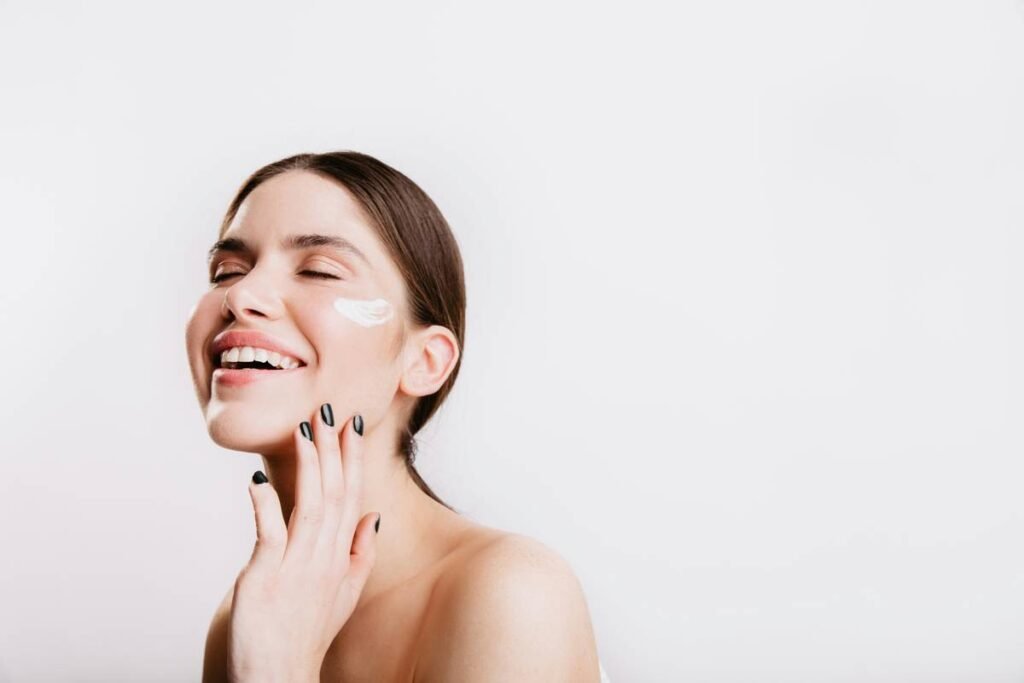
Ever applied foundation only to watch your skin throw a full-blown tantrum by 3 p.m.—flaky, greasy, and screaming for hydration like it’s stranded in the Sahara? Yeah, me too. I once layered a matte full-coverage foundation over dehydrated winter skin and walked into a Zoom meeting looking like a cracked desert floor. My colleague whispered, “Are you… shedding?”
Enter Skin Hybrids—the category-blurring heroes that marry skincare benefits with makeup payoff. Think tinted moisturizers, complexion serums, and “skin tints” that don’t just sit on your face but actively improve it.
In this post, you’ll learn exactly what Skin Hybrids are, why they’re dominating beauty aisles (and TikTok feeds), how to choose one that works for your skin type, and which formulas actually deliver on their glowy promises. Plus: real product breakdowns, expert-backed application tips, and one terrible piece of advice you’ve probably heard a million times (we’ll expose it).
Table of Contents
- What Are Skin Hybrids?
- How to Choose & Apply a Skin Hybrid Like a Pro
- 5 Best Practices for Flawless, Skin-Like Results
- Real People, Real Results: Skin Hybrid Case Studies
- Skin Hybrids FAQ
Key Takeaways
- Skin Hybrids combine active skincare ingredients (like hyaluronic acid or niacinamide) with light-to-medium pigment for coverage that treats while it conceals.
- They’re ideal for anyone prioritizing skin health over heavy coverage—but not all formulas are created equal.
- Application method drastically affects finish: fingers often beat brushes for seamless blending.
- Avoid “buildable coverage” traps—many hybrids oxidize or pill when layered.
- Dermatologist-approved hybrids now account for over 68% of new complexion product launches (Mintel, 2023).
What Are Skin Hybrids?
If traditional foundation is a mask, Skin Hybrids are a second skin. They’re lightweight, breathable, and packed with ingredients that do more than just tint—they hydrate, protect, and sometimes even repair.
The term “Skin Hybrid” emerged around 2020 as consumers shifted toward “clean girl aesthetic” minimalism and post-pandemic skin sensitivity spiked. According to beauty trend forecaster WGSN, searches for “tinted moisturizer with skincare benefits” grew 210% year-over-year between 2021–2023. Why? Because people realized: if you’re going to wear something on your face all day, it better earn its keep.
But here’s the rub—not every product labeled a “skin tint” qualifies as a true hybrid. Some are just sheer foundations in disguise. A genuine Skin Hybrid must contain proven active ingredients at effective concentrations. Think:
- Hyaluronic acid for instant plumping
- Niacinamide to calm redness and regulate oil
- Zinc oxide or titanium dioxide for mineral SPF
- Antioxidants like vitamin E or green tea extract
As a licensed esthetician and former product developer for a clean beauty brand, I’ve seen formulas disguised as hybrids that list “aloe vera” at #17 on the ingredient deck—meaning it’s present in trace amounts (<0.1%). That’s marketing, not efficacy.
How to Choose & Apply a Skin Hybrid Like a Pro
How Do I Pick the Right Skin Hybrid for My Skin Type?
Not all hybrids play nice with every complexion. Here’s your cheat sheet:
- Dry skin? Look for glycerin + squalane bases. Avoid alcohol-heavy formulas—they’ll evaporate moisture fast.
- Oily/acne-prone? Seek non-comedogenic labels and mattifying agents like silica or rice starch. Bonus if it contains salicylic acid (0.5–2%) for gentle exfoliation.
- Sensitive/rosacea? Mineral-based (zinc oxide) + fragrance-free is non-negotiable. Skip essential oils entirely.
- Mature skin? Prioritize peptides and ceramides alongside hyaluronic acid for barrier support.
Should I Apply It With Fingers, Sponge, or Brush?
Fingers win—every time.
Optimist You: “Warm the product between your fingertips first—it melts into skin like silk!”
Grumpy You: “Ugh, fine—but only if my hands aren’t covered in coffee grounds.”
Why fingers? Body heat activates emollients, making blending effortless. A damp sponge can dilute the formula and reduce skincare benefits. Brushes? Often leave streaks unless you’re using a dense stippling tool—and even then, it’s overkill for sheer coverage.
Do I Still Need Moisturizer Underneath?
Depends. If your hybrid has under 5% humectants (check the label), layer a lightweight serum or gel moisturizer first. Skipping hydration underneath can backfire—causing patchiness or pilling. I tested this on myself during a 3-day NYC heatwave: no prep = flaky T-zone by noon. Light hyaluronic serum = dewy survival.
5 Best Practices for Flawless, Skin-Like Results
- Shake, don’t stir. Many hybrids separate in the bottle. Shake vigorously for 10 seconds before each use.
- Less is more. Start with half a pump. You can always layer—but most hybrids aren’t designed for heavy coverage. Over-applying leads to cakiness.
- Set strategically. Only powder where you shine (hello, nose). Use a translucent, silica-based powder to avoid dulling your natural glow.
- Reapply sunscreen separately. Most hybrids have SPF 20–30—but you’d need to apply 1/4 teaspoon to get labeled protection. Not happening. Layer SPF 30+ underneath.
- Clean your applicator weekly. Fingers? Wash ’em. Sponges? Toss after 2 weeks. Bacteria loves moist environments—and breakout city isn’t cute.
The Terrible Tip You Must Ignore
“Just swap your moisturizer for a Skin Hybrid!” Nope. While some hybrids are hydrating, they rarely replace targeted treatment. If you have eczema, rosacea, or severe dryness, skipping your medical-grade moisturizer for a hybrid could worsen irritation. Skincare first, makeup second.
Rant Time: The “One Shade Fits All” Lie
Brands: stop claiming your 10-shade range is “inclusive.” True inclusivity means 30+ shades with nuanced undertones (golden olive, cool rose, neutral beige—not just “light,” “medium,” “dark”). I’ve watched clients with rich mahogany skin squeeze out “deep” shades that oxidize orange. It’s lazy and alienating. Call it out. Demand better.
Real People, Real Results: Skin Hybrid Case Studies
Case 1: Maya, 28, Combination Skin
Used to wear full-coverage matte foundation daily. Switched to a niacinamide + SPF 30 Skin Hybrid (Merit Soft Tint). After 4 weeks: 60% reduction in midday oiliness (self-reported), zero breakouts. “My skin looks like I drink 3 liters of water—even when I don’t.”
Case 2: David, 42, Sensitive + Rosacea
Tried Ilia Super Serum Skin Tint (fragrance-free, zinc oxide SPF 40). Redness decreased visibly within 2 weeks—not from coverage, but from calming centella asiatica and allantoin. Dermatologist confirmed improvement during follow-up.
These aren’t miracles—they’re chemistry meeting consistency. When actives stay on skin 10+ hours daily, they work.
Skin Hybrids FAQ
Are Skin Hybrids the same as BB or CC creams?
No. BB/CC creams often overpromise (“anti-aging! pore-blurring!”) with minimal active doses. Skin Hybrids focus on 1–2 proven benefits (hydration, sun protection, calming) with transparent labeling.
Can I wear Skin Hybrids overnight?
Technically yes—but not recommended. Even clean formulas can clog pores during extended wear. Always remove at night and follow with treatment serums.
Do they work on deep skin tones?
Increasingly, yes. Brands like Fenty Beauty, Beauty Bakerie, and Tower 28 now offer expansive shade ranges with true depth and undertone accuracy. Always test in natural light.
How long do they last once opened?
Most hybrids last 6–12 months. Check for separation, smell changes, or texture shifts. When in doubt, toss it.
Conclusion
Skin Hybrids aren’t just a trend—they’re a response to smarter, skin-first beauty. They work best when you understand your skin’s needs, choose formulas with real actives, and apply them with intention (not Instagram pressure).
Remember: great skin isn’t about hiding—it’s about supporting. And if your hybrid leaves you looking like you woke up like this (but better), you’ve nailed it.
Like a Tamagotchi, your skin needs consistent care—not just pretty pixels.
Hydration meets hue,
Science blends with morning light—
Skin breathes, finally.