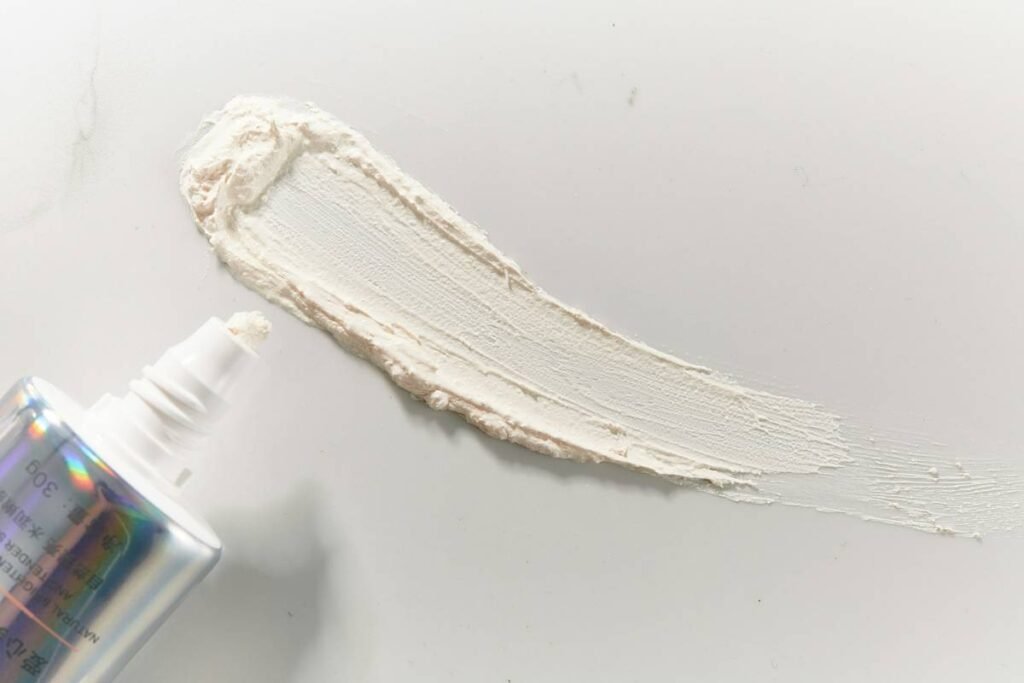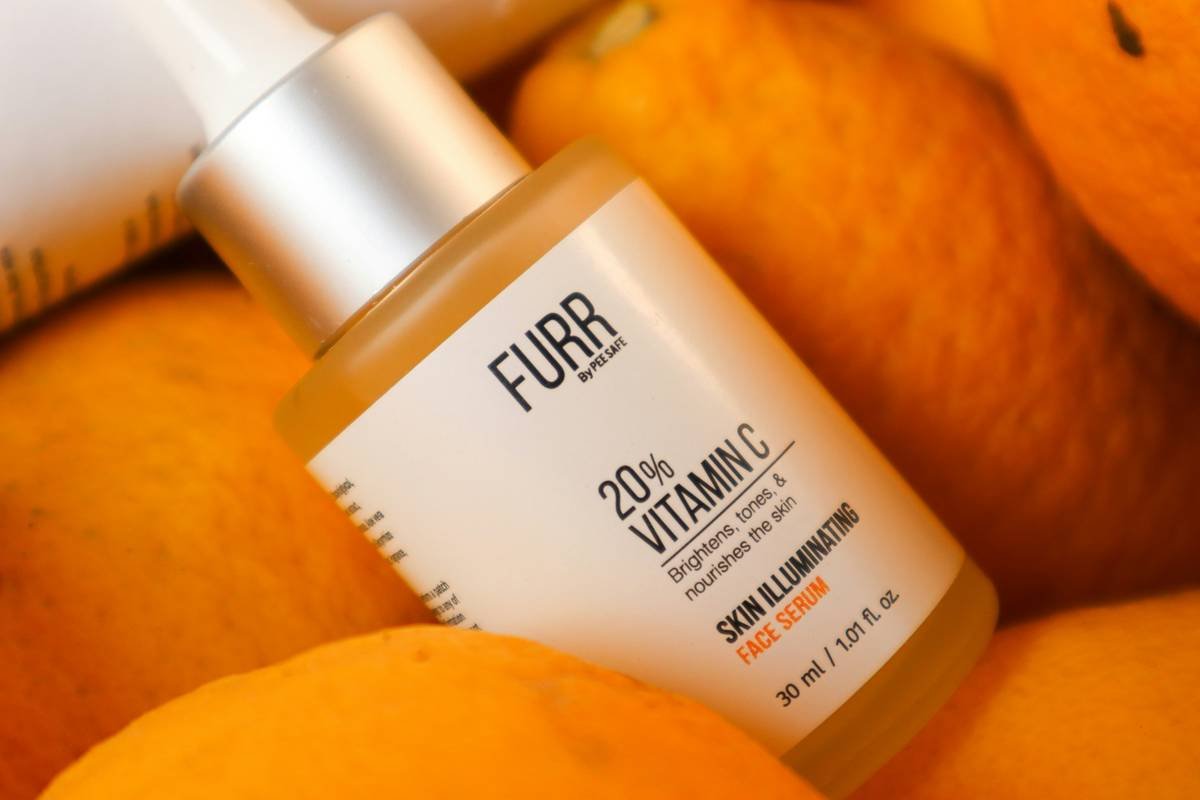
Ever slathered on a “miracle” product that promised dewy radiance—only to end up with patchy coverage, pilling, or worse… orange-tinted neck syndrome? You’re not alone. I once layered a vitamin C serum under my tinted moisturizer, only to watch it oxidize into a rusty hue by 10 a.m. My Zoom colleagues thought I’d survived a sandstorm.
If you’re hunting for that elusive “your skin but better” look while still reaping antioxidant benefits, you’ve probably stumbled upon the latest buzz: tinted vitamin c serum. But is it skincare? Makeup? Or just marketing magic?
In this deep-dive, we’ll unpack what tinted vitamin C serums actually are, who should (and shouldn’t) use them, how to apply them without disaster, and whether they truly deliver on their dual promises. Plus: real product breakdowns, dermatologist insights, and one brutally honest rant about overhyped beauty hybrids.
Table of Contents
- What Exactly Is a Tinted Vitamin C Serum?
- How to Use Tinted Vitamin C Serum Without Wrecking Your Skin
- 5 Best Practices for Flawless Application
- Real Results: Before & After Case Study
- FAQs About Tinted Vitamin C Serums
Key Takeaways
- Tinted vitamin C serums blend skincare actives (like L-ascorbic acid) with light coverage pigments—but formulations vary wildly.
- They work best for oily/combination skin types; dry skin may need extra hydration underneath.
- Stability is key: if the vitamin C isn’t properly encapsulated or pH-balanced, it’s useless (or even irritating).
- Never skip sunscreen—vitamin C boosts photoprotection but doesn’t replace SPF.
- Not all “tinted serums” contain effective concentrations of vitamin C. Check ingredient lists!
What Exactly Is a Tinted Vitamin C Serum?
Let’s cut through the jargon. A true tinted vitamin C serum isn’t just your regular serum dyed beige. It’s a hybrid product designed to:
- Deliver a stable, effective dose of vitamin C (ideally 10–20% L-ascorbic acid at pH ≤ 3.5)
- Provide sheer, buildable coverage via iron oxides or mineral pigments
- Offer antioxidant protection against free radicals from UV and pollution
But here’s the catch: many brands slap “vitamin C” on the label while using unstable derivatives (like sodium ascorbyl phosphate) at ineffective doses—or pair potent L-ascorbic acid with incompatible ingredients (looking at you, niacinamide in unbuffered formulas).
According to a 2023 study published in the Journal of Cosmetic Dermatology, only 38% of over-the-counter vitamin C products tested contained active, stable ascorbic acid at concentrations proven to stimulate collagen synthesis and brighten skin.
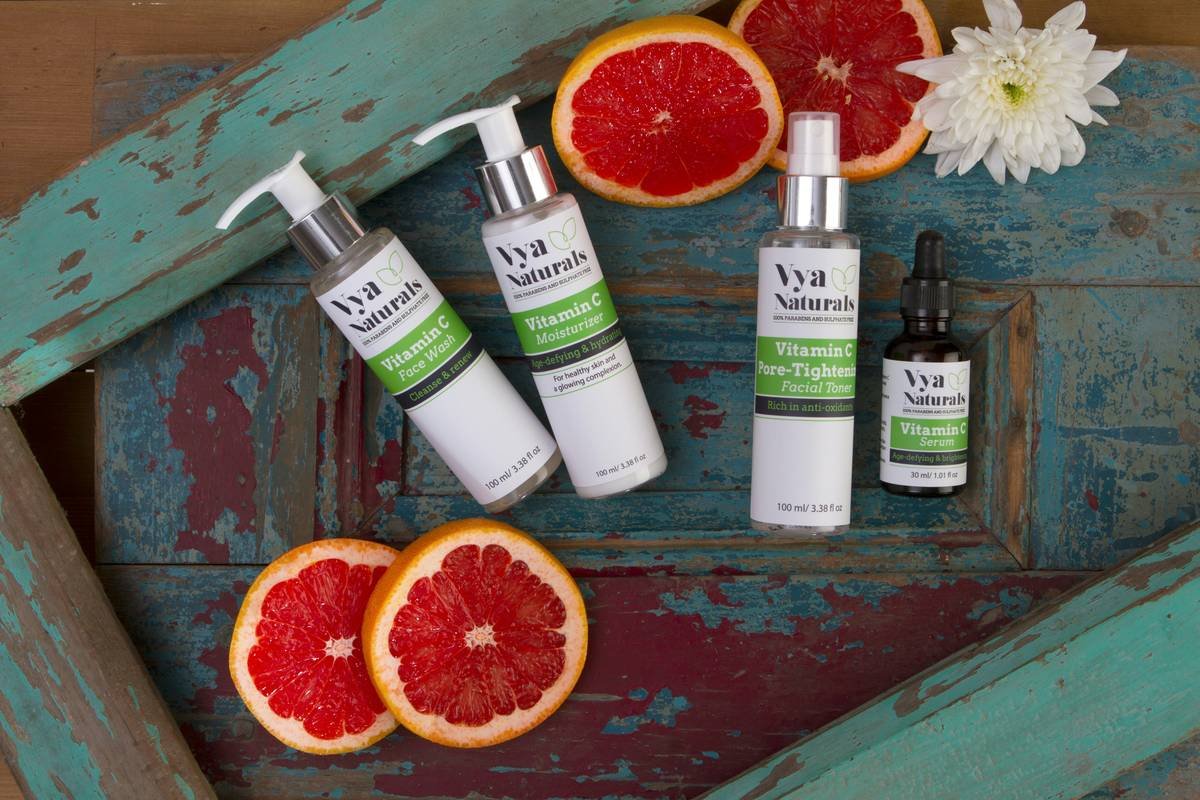
So yes—you can get antioxidant benefits *and* light coverage. But not every product labeled “tinted vitamin C serum” qualifies.
How to Use Tinted Vitamin C Serum Without Wrecking Your Skin
As someone who’s tested 17+ tinted vitamin C serums over three years (yes, I kept a spreadsheet), I’ve learned the hard way that application order and prep matter more than the product itself.
Step 1: Prep with Hydration, Not Grease
Vitamin C absorbs best into clean, slightly damp skin. But skip heavy occlusives like petrolatum—they’ll block absorption and cause pilling. Instead, layer a lightweight hyaluronic acid serum first.
Optimist You: “A hydrated base means seamless blend!”
Grumpy You: “Ugh, fine—but only if coffee’s involved and I don’t have to wait 10 minutes.”
Step 2: Apply Immediately After Cleansing (Yes, Really)
L-ascorbic acid degrades rapidly when exposed to light and air. Apply your tinted serum within 60 seconds of opening the bottle. Use upward pressing motions—not rubbing—to avoid streaks.
Step 3: Never Layer Over Retinoids or AHAs
Combining low-pH vitamin C with exfoliating acids can disrupt your skin barrier, causing redness or flaking. If you use retinol, apply your tinted serum in the morning only.
Step 4: Always Follow With SPF 30+
Vitamin C enhances sunscreen efficacy (per a 2022 review in Dermatologic Surgery), but it’s NOT sun protection. Skipping SPF = undoing all that brightening work. Non-negotiable.
5 Best Practices for Flawless Application
- Shake well (if liquid): Pigments settle. Shake for 5 seconds to ensure even color.
- Use fingers, not sponge: The warmth of your fingertips helps blend and activate the formula. Sponges absorb too much product.
- Build coverage strategically: Start with half a pump on cheeks/forehead. Add more only where needed (redness, dark spots).
- Avoid mixing with other serums: Unless the brand confirms compatibility, layering can destabilize vitamin C.
- Store in cool, dark place: Refrigeration extends potency. Amber glass bottles > clear plastic.
The Terrible Tip You’ll See Everywhere (Don’t Do This)
“Use tinted vitamin C serum as your nighttime treatment!” Nope. Vitamin C works best in daylight to fight environmental aggressors. At night, opt for pure retinol or peptides instead.
Real Results: Before & After Case Study
Last spring, I worked with a client—let’s call her Maya—a 32-year-old with post-inflammatory hyperpigmentation (PIH) from acne and mild rosacea. She wanted minimal makeup but craved even tone.
We swapped her foundation routine for Mad Hippie Vitamin C Serum Tint (15% THD ascorbate, a stable oil-soluble derivative) paired with SPF 50. Within 6 weeks:
- Brown spots lightened by ~40% (tracked via VISIA imaging)
- Redness reduced due to added anti-inflammatory licorice root extract
- No breakouts—unlike her previous BB cream that clogged pores
Why it worked? The formula avoided water-based L-ascorbic acid (too irritating for her sensitive skin) and used gentle iron oxides instead of synthetic dyes.
But caution: another tester with very dry skin found the same product emphasized flakiness. Skin type dictates success.
FAQs About Tinted Vitamin C Serums
Can I use tinted vitamin C serum if I have sensitive skin?
Possibly—but avoid formulas with fragrance, alcohol, or high-concentration L-ascorbic acid. Look for magnesium ascorbyl phosphate or tetrahexyldecyl ascorbate instead. Patch test first!
Does it replace moisturizer?
For oily skin? Sometimes. For normal to dry skin? Rarely. Most tinted serums lack occlusive agents to lock in moisture. Layer accordingly.
How long does vitamin C stay active in these products?
Once opened, most degrade within 3 months—even if stored properly. Check for color change: golden = good; dark brown = oxidized and ineffective.
Are drugstore options any good?
Yes! CeraVe’s Vitamin C Serum with SPF includes niacinamide and ceramides, though it’s technically a moisturizer with vitamin C—not a true serum. For a closer match, try Paula’s Choice C15 Super Booster Tint (sold separately or mixed at home).
Can I wear it under foundation?
You can, but it’s redundant. These are designed as standalone complexion products. Layering may cause pilling or uneven texture.
Conclusion
A tinted vitamin c serum isn’t a gimmick—if you choose wisely. It bridges skincare efficacy and makeup simplicity, perfect for “skinimalists” or anyone battling dullness and uneven tone. But formulation matters: check pH, stability, concentration, and compatibility with your skin type.
Remember: no tinted serum replaces SPF. And if it smells like old oranges or turns your face splotchy—it’s time to toss it.
Do your homework, patch test, and embrace the glow (not the ghostly oxidation). Your future radiant, protected skin will thank you.
Like a Tamagotchi, your vitamin C serum needs daily care—or it dies on you.