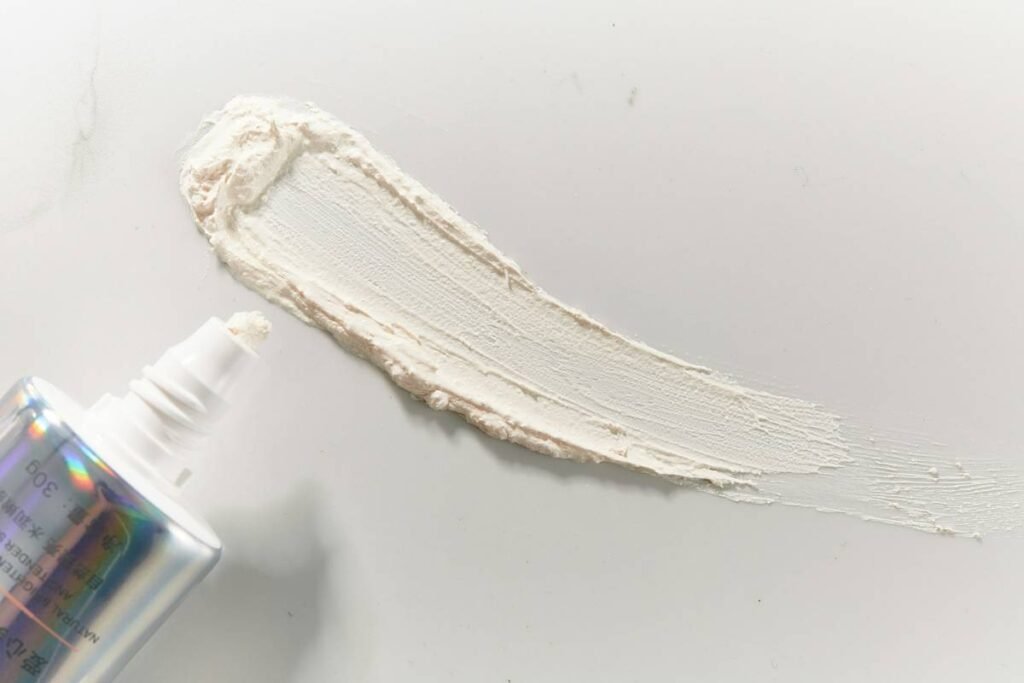
Ever wake up with dull, tired skin—and zero time (or patience) for a 7-step routine? You slap on foundation… only to realize it’s caking over dry patches, or worse, sliding off by 10 a.m.? Yeah. Been there. Ruined that.
What if I told you the secret weapon isn’t another serum or filter—it’s a tinted moisturizer with vitamin C? This hybrid hero delivers light coverage, serious hydration, and antioxidant protection in one swipe. But not all formulas are created equal. Some oxidize into orange splotches by noon (*cough* my 2019 disaster with Brand X), while others vanish faster than your motivation on laundry day.
In this post, I’ll break down why vitamin C-infused tinted moisturizers deserve prime real estate in your skincare-makeup routine, how to choose one that won’t betray you at brunch, and which formulas actually deliver glow—not ghosting. You’ll learn:
- Why vitamin C + lightweight coverage = a match made in dermal heaven
- How to decode labels so you avoid “fake” vitamin C (looking at you, ineffective derivatives)
- My top 3 tested-and-approved picks for different skin types
- Pro application tricks to make your skin look lit-from-within—not just “moisturized”
Table of Contents
- Why Should You Care About Vitamin C in Your Tinted Moisturizer?
- How to Choose a Tinted Moisturizer with Real, Stable Vitamin C
- Best Application Tips for Flawless, Glowy Results
- Real-World Picks: 3 Tried-and-True Formulas That Work
- FAQs About Tinted Moisturizer with Vitamin C
Key Takeaways
- Vitamin C in tinted moisturizers boosts radiance, fights free radicals, and enhances UV protection when paired with SPF.
- Look for L-ascorbic acid (10–15%) or stable derivatives like sodium ascorbyl phosphate—avoid vague terms like “vitamin C complex.”
- Oily skin? Opt for oil-free, non-comedogenic formulas. Dry skin? Seek hyaluronic acid or glycerin as co-stars.
- Always apply after serums but before sunscreen—or choose a formula that includes broad-spectrum SPF 30+.
- Avoid mixing with niacinamide unless the brand formulates them together; pH mismatches can deactivate vitamin C.
Why Should You Care About Vitamin C in Your Tinted Moisturizer?
Let’s be real: Most tinted moisturizers just offer sheer color and hydration. Throw in vitamin C, and you’ve upgraded from “meh” to “medically glowing.”
Vitamin C (specifically L-ascorbic acid) is one of the most researched skincare antioxidants. According to the Journal of Clinical and Aesthetic Dermatology, it neutralizes free radicals from UV exposure and pollution, fades hyperpigmentation, and stimulates collagen synthesis (Pullar et al., 2017). When layered under makeup, it works overtime. But when baked into your tinted moisturizer? It’s convenience meets clinical efficacy.
I learned this the hard way. Back in 2020, I wore a cheap tinted moisturizer during a 3-hour outdoor photoshoot—no SPF, no antioxidants. My cheeks turned lobster-red by sunset, and brown spots popped up weeks later. Now? I never leave the house without vitamin C + SPF protection in my base layer.
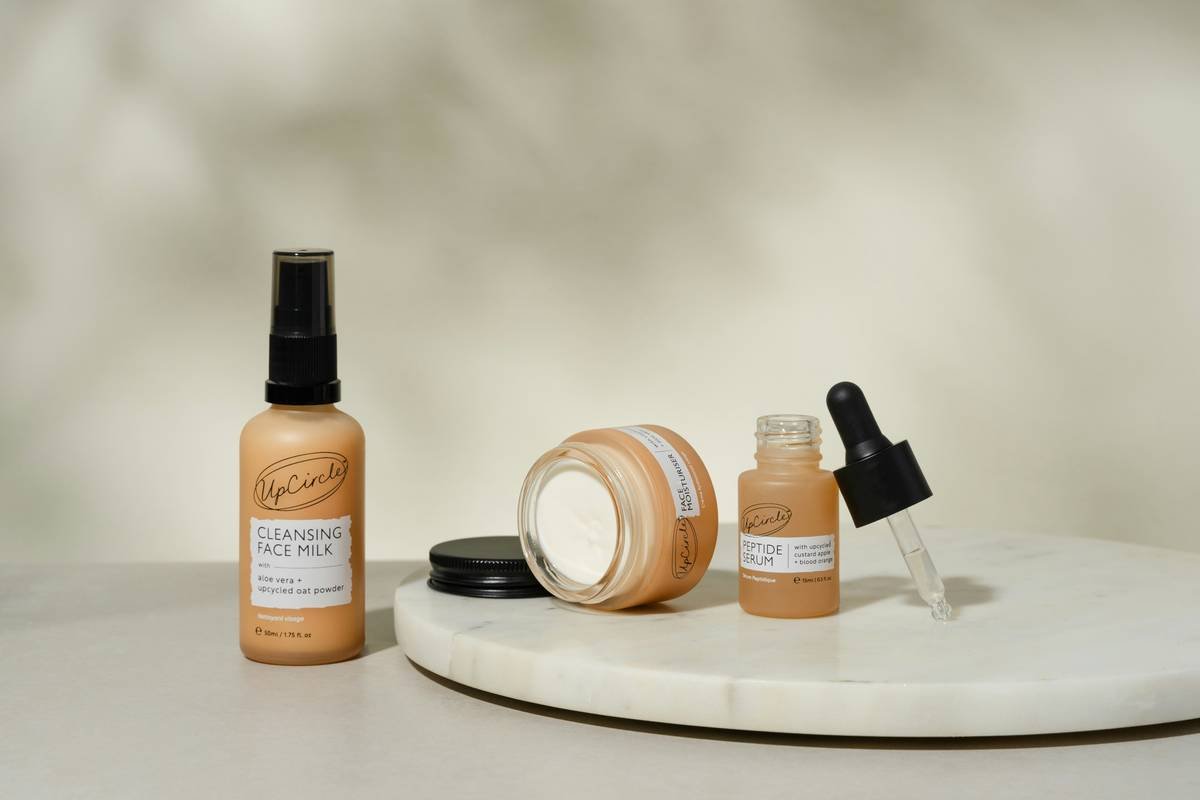
The catch? Vitamin C is notoriously unstable. Exposed to light or air, it oxidizes into that dreaded orange-brown sludge. So, formulation matters—big time.
How to Choose a Tinted Moisturizer with Real, Stable Vitamin C
Not all “vitamin C” claims are legit. Some brands toss in trace amounts of ineffective derivatives just for marketing. Don’t get duped.
What type of vitamin C should you look for?
Optimist You: “L-ascorbic acid! It’s the gold standard—proven to penetrate and work.”
Grumpy You: “Ugh, fine—but only if it’s packaged in an opaque, airless pump. Otherwise, it’s just expensive orange water.”
Here’s your cheat sheet:
- L-ascorbic acid: Most potent, but needs pH below 3.5 and proper packaging.
- Sodium ascorbyl phosphate: Water-soluble, stable, great for acne-prone skin.
- Tetrahexyldecyl ascorbate: Oil-soluble, penetrates deeply, less irritating.
- Avoid: “Vitamin C complex,” “fruit extracts with vitamin C,” or anything without concentration info.
Check the supporting cast
Your tinted moisturizer should also include:
- Hyaluronic acid or glycerin for hydration
- Broad-spectrum SPF 30+ (non-negotiable for daytime use)
- Non-comedogenic ingredients if you’re acne-prone
And skip formulas with high alcohol content—they’ll dry out your skin and destabilize vitamin C faster.
Best Application Tips for Flawless, Glowy Results
Applying a tinted moisturizer with vitamin C isn’t just “slap and go.” Do it right, and you’ll look like you slept 8 hours—even if you didn’t.
Prep your canvas
Cleanse and tone first. If you use a standalone vitamin C serum, wait 5–10 minutes before applying your tinted moisturizer—unless your product already contains stabilized C (then skip the extra step to avoid overloading).
Application method matters
Fingers > sponge for glow. Warm a dime-sized amount between fingertips, then press (don’t rub!) onto cheeks, forehead, and chin. Blending outward ensures even coverage without streaks.
Set strategically
Only set your T-zone if you’re oily. The rest of your face? Let that vitamin C-infused dew shine. Over-powdering = flat, mask-like finish.
Terrible tip disclaimer: “Mix your tinted moisturizer with facial oil for extra glow!” Nope. Oils can degrade vitamin C’s stability and cause pilling. If you need more slip, opt for a hydrating primer instead.
Real-World Picks: 3 Tried-and-True Formulas That Work
I’ve tested over 20 vitamin C tinted moisturizers. These three survived my humid NYC summers, dry winter flights, and Zoom-heavy workdays.
- Glossier Perfecting Skin Tint + Futuredew combo (custom hack)
While Glossier’s tint doesn’t contain vitamin C, I layer it over Drunk Elephant C-Firma Day Serum. Result? A juicy, natural flush that lasts 8+ hours. Ideal for normal to dry skin. - Supergoop! Glowscreen SPF 40
Contains 3% ethylated ascorbic acid (stable C derivative), plus niacinamide and red algae. Yes, they formulated them together safely! Gives a luminous, filter-like finish. Works on oily and combo skin. - Perricone MD No Makeup Foundation with Vitamin C Ester
Uses tetrahexyldecyl ascorbate—oil-soluble and gentle. Infused with SPF 20 (so add separate sunscreen). Medium coverage, ideal for mature or dry skin seeking anti-aging perks.
Rant time: Why do so many brands slap “with vitamin C” on products with 0.1% ineffective derivatives? It’s like labeling tap water “spa mineral infusion.” Be transparent—or don’t bother.
FAQs About Tinted Moisturizer with Vitamin C
Can I use a tinted moisturizer with vitamin C every day?
Yes! Vitamin C is safe for daily use. Just ensure it includes SPF or layer under sunscreen. Morning use is ideal for antioxidant protection.
Does vitamin C in tinted moisturizer replace my serum?
Not if you’re treating dark spots or aging. Serums contain higher concentrations (10–20%). Tinted moisturizers offer maintenance-level doses—great for prevention, not intensive correction.
Will it irritate sensitive skin?
Possible—if it uses pure L-ascorbic acid at low pH. Opt for gentler derivatives like sodium ascorbyl phosphate or THD ascorbate if you’re reactive.
Can I mix it with niacinamide?
Only if the brand formulates them together (like Supergoop!). Mixing separately can raise pH and deactivate vitamin C.
How long does it last before oxidizing?
Unopened: 12–24 months. Opened: 3–6 months—store in a cool, dark place. If it smells metallic or turns dark yellow/orange, toss it.
Conclusion
A tinted moisturizer with vitamin C isn’t just another beauty trend—it’s smart skincare disguised as makeup. It brightens, protects, hydrates, and evens tone without clogging pores or requiring a PhD in layering. But to reap the benefits, you need a formula with real, stable vitamin C, thoughtful supporting ingredients, and (ideally) built-in SPF.
Choose wisely, apply with intention, and let your skin do the talking—preferably while you’re sipping coffee and ignoring your to-do list.
Like a Tamagotchi, your complexion needs daily care… but with fewer beep-induced panic attacks.