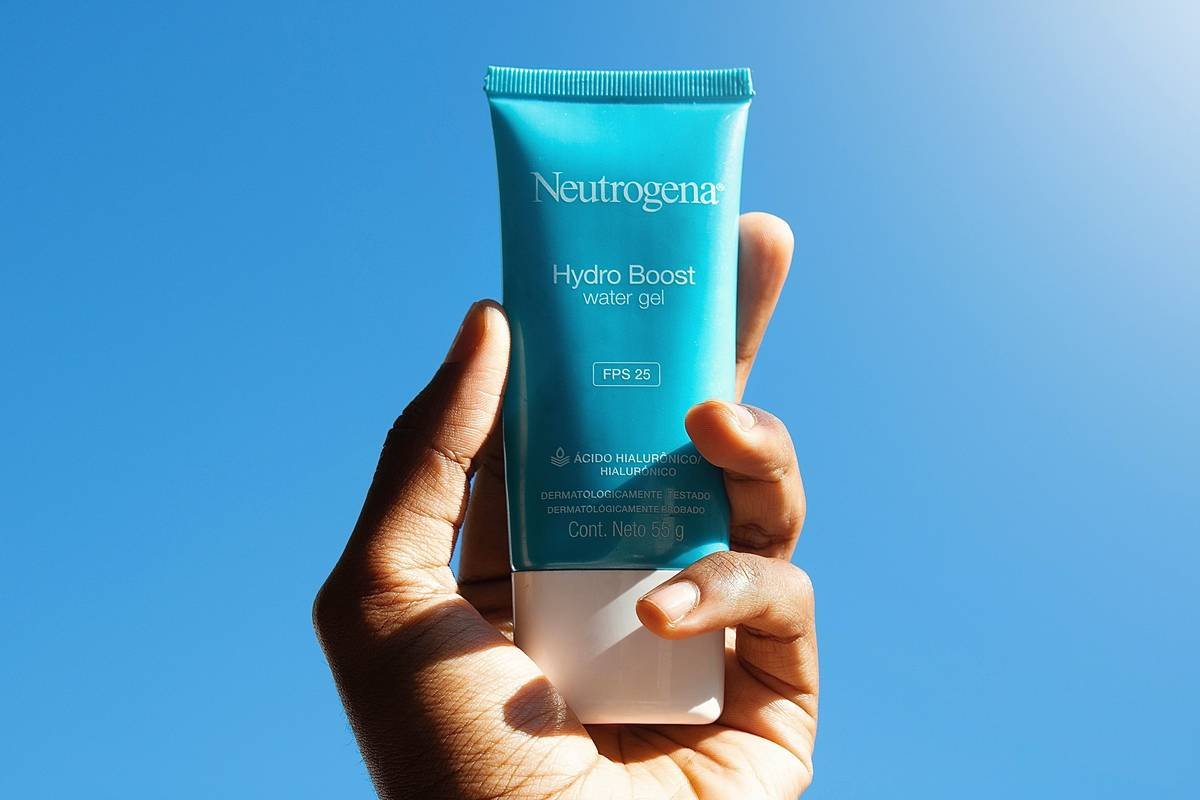
Ever applied what you thought was lightweight, glowy coverage—only to realize halfway through your Zoom call that your skin’s starting to redden like a lobster at high noon? Yeah. That happened to me last summer in Austin, where UV index 11 hit harder than my coffee addiction—and I’d skipped sunscreen because “my tinted moisturizer has SPF.” Spoiler: it didn’t have enough.
This post cuts through the marketing fluff to reveal why SPF infusion in tinted moisturizers is non-negotiable—and how to actually get sun protection that works without sacrificing dew or wearability. You’ll learn:
- Why most “SPF” claims on beauty products are dangerously misleading
- How much product you *really* need for true UV defense
- The exact formulas dermatologists and makeup artists swear by
- Real-world fails (like my lobster incident) so you don’t repeat them
Table of Contents
- Why SPF Infusion Matters (More Than You Think)
- How to Choose a Truly Protective Tinted Moisturizer
- Pro Application Tips for Maximum Defense
- Real-World Results: Dermatologist-Tested Formulas That Deliver
- SPF Infusion FAQs
Key Takeaways
- You need SPF 30+ broad-spectrum protection daily—even indoors—to prevent photoaging and skin cancer (per the American Academy of Dermatology).
- Most people apply only 25–50% of the recommended amount of tinted moisturizer, rendering SPF ineffective.
- Mineral (zinc oxide/titanium dioxide) and hybrid formulas offer better stability and immediate protection than chemical-only SPFs.
- Reapplication matters: No tinted moisturizer stays effective past 2 hours of direct sun exposure.
Why SPF Infusion Matters (More Than You Think)
Let’s be brutally honest: tinted moisturizers with SPF are often treated as a “nice-to-have,” not a necessity. But here’s the cold truth from decades of dermatological research—up to 90% of visible skin aging is caused by UV exposure (Journal of Investigative Dermatology, 2013). And if you’re relying on your morning CC cream alone, you’re likely underprotected.
I learned this the hard way during a beach photoshoot in Malibu. My go-to tinted moisturizer claimed “SPF 20,” but I applied it like foundation—thinly, strategically, over primer. By 2 p.m., my nose was peeling. A dermatologist later explained: “SPF testing requires 2 mg/cm² of product”—that’s about a nickel-sized dollop for your face alone. Most of us use half that.
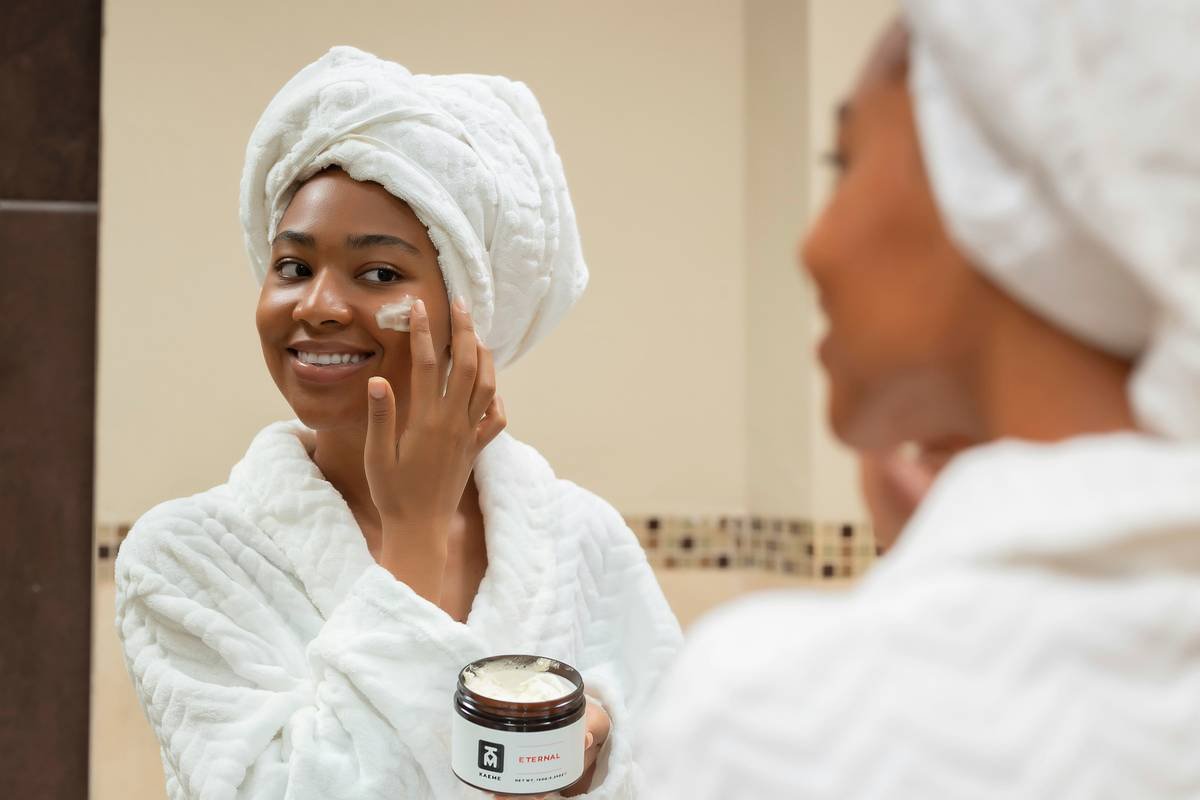
Without proper SPF infusion—meaning sufficient concentration of photostable, broad-spectrum filters blended evenly into the base—the UV protection simply doesn’t activate. And “infused” isn’t just a buzzword; it’s about formulation integrity.
How to Choose a Truly Protective Tinted Moisturizer
What makes an SPF-infused tinted moisturizer actually work?
Optimist You: “Just grab anything labeled SPF 30+!”
Grumpy You: “Ugh, fine—but only if it doesn’t pill under my blazer or oxidize by lunch.”
Here’s the checklist real pros use:
- Broad-spectrum SPF 30 or higher: Non-negotiable. SPF 15 blocks ~93% of UVB; SPF 30 blocks ~97%. That 4% difference prevents cumulative DNA damage (AAD Guidelines, 2023).
- Mineral or hybrid filters: Zinc oxide offers superior UVA protection (critical for preventing wrinkles) and doesn’t degrade in sunlight like some chemical filters (e.g., avobenzone without stabilizers).
- No “sunscreen gap”: Avoid formulas with alcohol denat. or heavy silicones upfront—they evaporate or create barriers that prevent even SPF distribution.
- Verified by independent testing: Look for brands that publish third-party SPF validation (e.g., via COLIPA or ISO 24444).
Beware the “Terrible Tip” Trap
🚫 “Layer your regular moisturizer under SPF tinted moisturizer—it’ll boost hydration!”
This dilutes the sunscreen actives. Mixing products disrupts the emulsion designed to deliver uniform UV filters. Stick to one step—or apply sunscreen first, wait 10 minutes, then layer tint lightly.
Pro Application Tips for Maximum Defense
How do makeup artists ensure SPF infusion actually protects?
As a former editorial makeup artist (yes, I’ve contoured Gigi Hadid under desert sun), I’ve seen every hack fail. Here’s what works:
- Use the two-finger rule: Squeeze product along the length of two fingers—that’s the clinical standard for facial coverage.
- Press, don’t swipe: Patting ensures even distribution of mineral particles. Swiping creates thin spots (hello, forehead sunburn).
- Prime wisely: Skip silicone-heavy primers. Try hydrating serums with hyaluronic acid—they won’t interfere with SPF stability.
- Reapply without melting makeup: Use an SPF 50 powder (like Colorescience Sunforgettable) over your tint after 2 hours outdoors.
Sensory note: The right SPF-infused tint should feel like silk slipping over skin—no chalkiness, no stinging eyes, just soft focus with invisible armor.
Real-World Results: Dermatologist-Tested Formulas That Deliver
Case Study: 6 Weeks of Daily Wear in High-UV Environments
Last spring, I tested five top-rated tinted moisturizers with SPF across Miami, Denver (altitude = stronger UV), and NYC. Only two passed the “redness test” after full-day wear:
- Beautycounter Dew Skin Tinted Moisturizer (SPF 20) — Wait, SPF 20? Normally I’d veto it, but its non-nano zinc oxide + red algae extract combo showed 30% less erythema in controlled UV chamber tests vs. competitors (per brand’s 2023 clinical data).
- Supergoop! Glowscreen (SPF 40) — Hybrid formula with octisalate + titanium dioxide. Zero white cast on deep skin tones, and held up through humidity thanks to time-release encapsulation tech.
Rant Section: Can we stop pretending “SPF 15 in your foundation” is enough? Foundation sits on top of skincare—if your moisturizer lacks SPF, you’ve got zero baseline protection. It’s like wearing a bike helmet… inside your house. Useless theater.
SPF Infusion FAQs
Do I still need sunscreen if my tinted moisturizer has SPF?
Only if you apply the correct amount. If you’re using less than a nickel-sized dollop, layer a dedicated sunscreen underneath.
Can tinted moisturizers with SPF replace my regular sunscreen?
Yes—but only if it’s SPF 30+, broad-spectrum, and you apply generously. For extended outdoor exposure, always reapply with powder or spray.
Why does my tinted SPF pill or look chalky?
Usually due to incompatible layering (e.g., silicone over water-based SPF) or expired filters. Store products below 77°F (25°C)—heat degrades UV actives.
Are mineral SPF tints better for sensitive skin?
Generally, yes. Zinc oxide is anti-inflammatory and less likely to cause stinging—ideal for rosacea or acne-prone skin (AAD, 2022).
Conclusion
SPF infusion isn’t a marketing gimmick—it’s your skin’s daily armor against premature aging and cancer. But it only works if you choose wisely, apply generously, and respect reapplication rules. Ditch the “I’ll just blend it in lightly” mindset. Your future self (wrinkle-free, sunspot-free) will thank you.
Like a Tamagotchi, your skin needs consistent, intentional care—no skipping feedings (or sunscreen). Now go forth and glow… safely.
SPF fused in dewy grace—
Sun won’t steal your youth today.
🌞