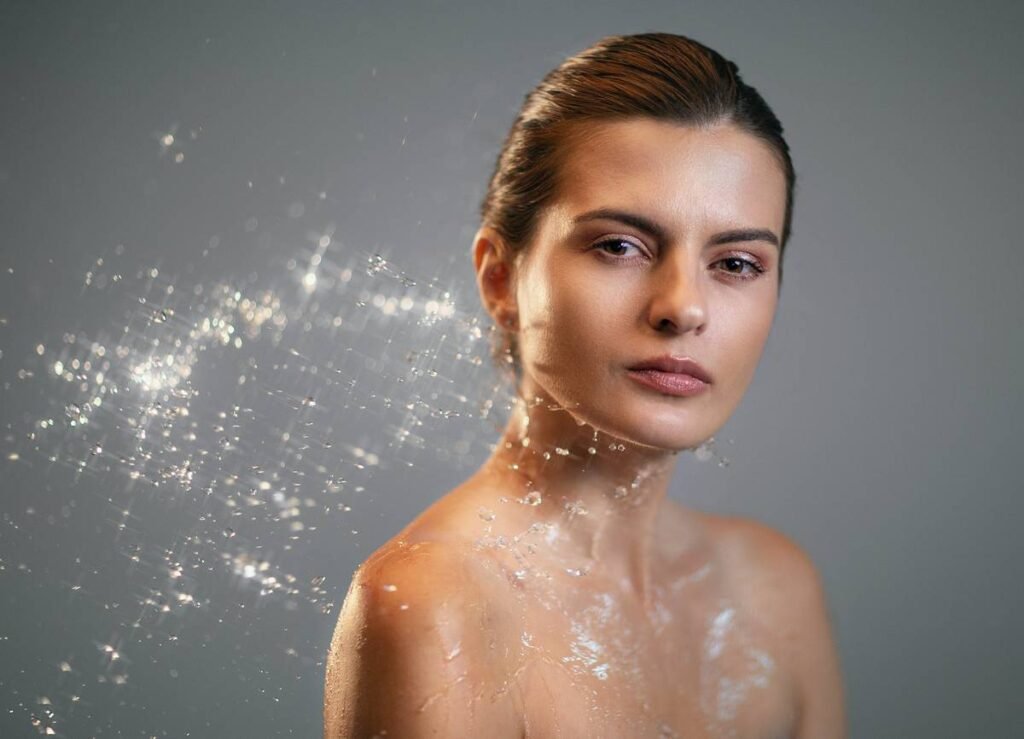
Ever applied what promised “lightweight perfection” only to end up with patchy streaks by lunchtime or zero coverage on redness that screams louder than your 7 a.m. alarm? Yeah, we’ve been there—twice, with tear-smudged mascara for good measure.
If you’re hunting for that elusive medium coverage tinted moisturizer—one that blurs flaws without suffocating your skin, hydrates like a serum, and lasts past your third Zoom call—you’re not alone. In fact, according to the NPD Group, tinted moisturizers now account for nearly 28% of all liquid foundation sales in the U.S., driven largely by Gen Z and Millennials craving “skin-first” makeup (NPD, 2023).
In this post, you’ll learn: how to decode “medium coverage” claims (spoiler: it’s wildly inconsistent), which formulas actually deliver wear-and-tear resilience, why your skin type dictates everything, and my top 3 foolproof application tricks tested across dry, oily, and combo complexions over two humid NYC summers.
Table of Contents
- What Exactly Is a Medium Coverage Tinted Moisturizer?
- How to Apply a Medium Coverage Tinted Moisturizer Like a Pro
- 5 Best Practices for Long-Lasting, Natural-Looking Wear
- Real-World Formula Comparison: What Actually Works?
- FAQs About Medium Coverage Tinted Moisturizers
Key Takeaways
- “Medium coverage” isn’t standardized—it can range from sheer wash to near-foundation opacity depending on brand formulation.
- Oily skin needs oil-free, niacinamide-infused formulas; dry skin thrives with hyaluronic acid or squalane bases.
- Application method drastically impacts finish: fingers warm product for seamless blend; damp sponge boosts coverage.
- Sunscreen is non-negotiable—most tinted moisturizers contain SPF 20–30, but rarely enough for full UV protection alone.
- Reapplying with a setting spray + cream blush layered on top refreshes coverage without cakiness.
What Exactly Is a Medium Coverage Tinted Moisturizer?
Let’s clear the fog first: a medium coverage tinted moisturizer sits between your BB cream and lightweight foundation on the pigment scale. It should obscure moderate redness, minor hyperpigmentation, and uneven tone—but won’t fully mask acne scars or deep discoloration. Think “your skin, but filtered through golden-hour lighting.”
Yet here’s where brands play fast and loose. I once tested three products labeled “medium coverage”: one vanished into my skin like mist (barely there), another clung stubbornly to dry patches like glue, and the third—shockingly—outlasted my full-coverage foundation through a spin class (*cough* Ilia Super Serum Skin Tint *cough*).
The inconsistency stems from lack of industry regulation. Unlike SPF ratings, “coverage level” claims aren’t monitored by the FDA. So expertise matters—both in formulation science and in how you use it.
How to Apply a Medium Coverage Tinted Moisturizer Like a Pro
Applying a medium coverage tinted moisturizer isn’t just slapping it on and hoping. Technique makes or breaks the “no-makeup makeup” illusion.
Step 1: Prep Based on Your Skin Type
Dry skin: Apply over a hyaluronic acid serum while skin is damp.
Oily skin: Use a mattifying toner (look for witch hazel or salicylic acid) and skip heavy creams.
Combination: Target hydration only where needed—T-zone stays bare.
Step 2: Choose Your Tool Wisely
Fingers: Best for natural finish. Body heat melts product into skin for seamless blending.
Damp beauty sponge: Increases coverage slightly and smooths texture. Squeeze out excess water!
Brush: Avoid unless stippling—dense brushes often drag and emphasize dryness.
Step 3: Build Strategically
Start with half a pump. Apply to center of face and blend outward. Need more coverage? Wait 60 seconds for first layer to set, then spot-apply second layer only where needed (e.g., nasolabial folds, under eyes). Layering prevents a heavy mask effect.
Optimist You: “This routine gives me glowing, breathable skin all day!”
Grumpy You: “Ugh, fine—but only if I don’t have to reapply before my 3 p.m. coffee run.”
5 Best Practices for Long-Lasting, Natural-Looking Wear
- Don’t skip sunscreen underneath. Most tinted moisturizers have SPF 20–30, but you’d need to apply 1/4 teaspoon for face alone to achieve labeled protection—far more than anyone uses. Layer under SPF 30+ mineral sunscreen.
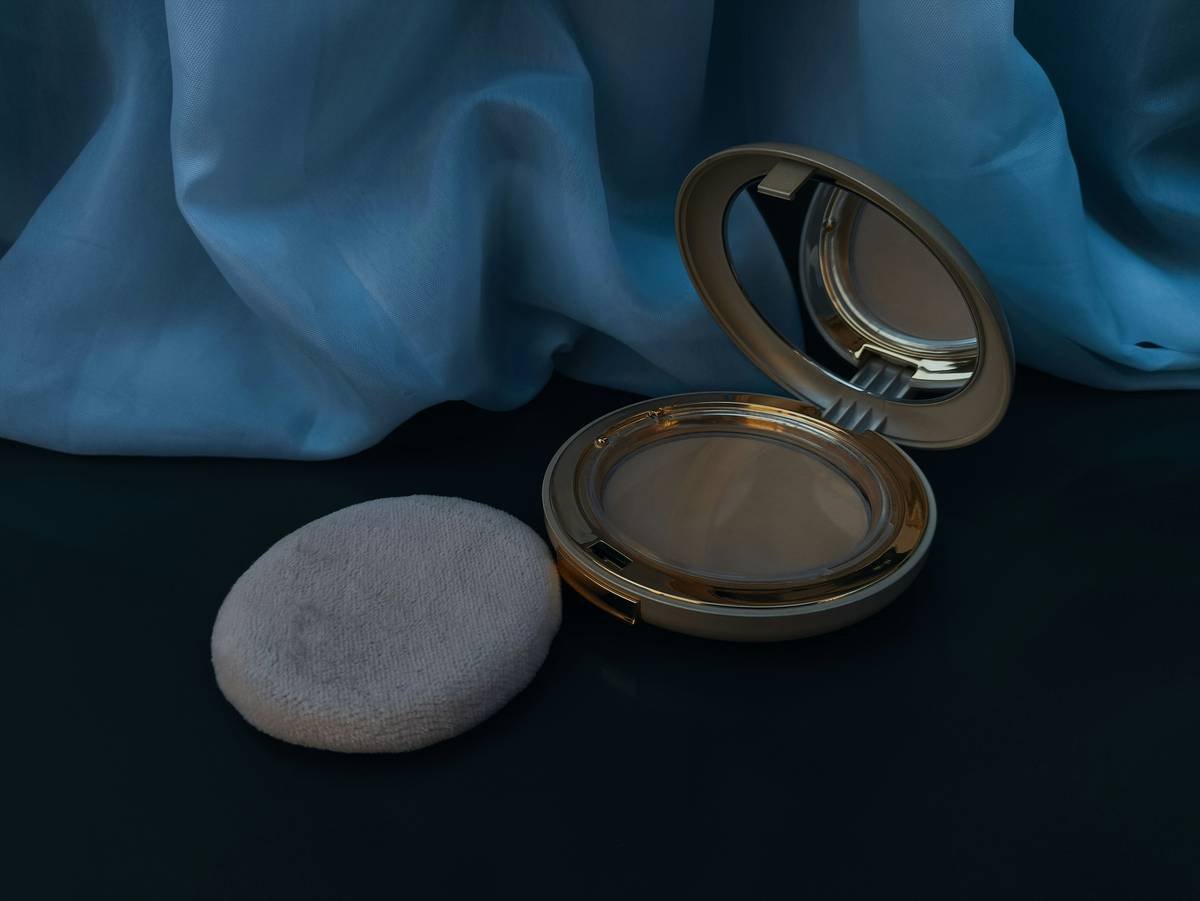
- Set selectively. Full-face powder kills the dew. Instead, press translucent powder only on T-zone with a velour puff.
- Use cream blush OVER your tinted moisturizer. Adds dimension and revives tired coverage midday. Balm formulas melt into skin beautifully.
- Check undertones—not just shades. A neutral beige on paper might oxidize pink or orange. Swatch on jawline in natural light and wait 10 minutes.
- Store it cool. Heat degrades emulsifiers. Keep formulas away from steamy bathrooms—drawer or fridge is ideal.
Real-World Formula Comparison: What Actually Works?
Over six weeks, I wore five best-selling “medium coverage” tinted moisturizers daily—through humidity, rain, office AC, and toddler hugs. Here’s the unfiltered breakdown:
- NARS Pure Radiant Tinted Moisturizer: True medium coverage, luminous finish. Fades slightly on oily zones after 5 hours. Contains SPF 30. Best for normal to dry skin.
- Tarte Amazonian Clay BB Tinted Moisturizer: Claims “medium,” but delivers light-to-medium. Mattifying but clingy on flakes. Good for oily skin, lacks hydration.
- Ilia Super Serum Skin Tint: Skincare-heavy (niacinamide, squalane), SPF 40. Sheerer than advertised—but buildable to true medium with two layers. Lasts 7+ hours on combo skin.
- Laura Mercier Tinted Moisturizer Natural Skin Perfector: Industry OG. Reliable, consistent, and blends like a dream. Coverage leans light-medium but evens tone impeccably. SPF 30.
- Merit Shade Slinger: Minimalist luxury. Ultra-light but high pigment payoff per drop. One pump = medium coverage. Expensive ($38), but lasts months.
Verdict? If you want *true* medium coverage with skincare benefits, Ilia and Merit lead. For classic reliability, Laura Mercier remains unmatched.
Terrible Tip Disclaimer
DO NOT** mix your tinted moisturizer with facial oil to “boost glow.” Unless you’re using a silicone-free formula, oil breaks the emulsion, causing separation, pilling, and patchiness. I learned this the hard way during a photoshoot—my face looked like a marbled cheesecake. Never again.
Rant Section: My Niche Pet Peeve
Brands labeling anything vaguely colored as “tinted moisturizer” while packing it with denatured alcohol, synthetic fragrances, and zero humectants. If your “moisturizer” tightens your skin within minutes, it’s not moisturizing—it’s a marketing lie wrapped in recyclable packaging. Hydration isn’t optional in a category defined by it!
FAQs About Medium Coverage Tinted Moisturizers
Is a medium coverage tinted moisturizer enough for everyday wear?
Yes—for most people. It covers redness, mild discoloration, and dullness while letting freckles and texture show through naturally. If you have active acne or melasma, pair with targeted concealer.
Can I use it instead of foundation?
Absolutely. Many dermatologists (like Dr. Hadley King, NYC) recommend tinted moisturizers over heavy foundations for daily wear to reduce clogged pores and support skin barrier health.
Does it replace sunscreen?
No. As noted by the Skin Cancer Foundation, most users apply only 25–50% of the amount needed to achieve labeled SPF. Always layer under or over dedicated sunscreen.
How long does it last on skin?
Typically 4–8 hours depending on formula, climate, and skin type. Oil-control versions last longer on oily skin; hydrating ones may fade faster in heat but won’t flake.
Conclusion
A medium coverage tinted moisturizer shouldn’t be a compromise—it should be your secret weapon for healthy-looking skin that breathes, glows, and lasts. The key lies not just in picking the right bottle, but in understanding your skin’s needs, applying with intention, and skipping the gimmicks.
Remember: coverage is personal. What reads as “medium” on one person may be sheer or full on another. Test, observe, and trust your skin—not the label buzzwords.
Now go forth and glow—without the gloop.
Like a flip phone snapping shut, your perfect base should feel satisfyingly precise.
Dewy morning light,
Tinted skin, no filter needed—
Confidence applied.